- Français
- |
- Booklist
- |
- Week of Prayer
- |
- Links
- Areopagus - a forum for dialogue
- Academic journals
- Acronyms
- Bible tools
- Bibliographies
- Booksellers and publishers
- Churches
- Canadian church headquarters
- Directory of Saskatchewan churches
- Retreat centres
- Saskatchewan church and non-profit agencies
- Ecumenism.net Denominational links
- Anabaptist & Mennonite
- Anglican
- Baptist
- Evangelical
- Independent episcopal
- Lutheran
- Methodist, Wesleyan, and Holiness
- Miscellaneous
- Mormon
- Orthodox (Eastern & Oriental)
- Para-church ministries
- Pentecostal / charismatic
- Presbyterian & Reformed
- Quaker (Society of Friends)
- Roman & Eastern Catholic
- United and uniting
- Documents of Ecumenical Interest
- Ecumenical agencies
- Ecumenical Booklist
- Ecumenical Dialogues
- Glossary
- Human rights
- Inter-religious links
- Justice & peace
- Lectionaries
- Religious news services
- Resource pages
- Search Ecumenism.Net
- |
- Documents
- Ancient & Medieval texts
- Ecumenical Dialogues
- Interreligious
- Anabaptist & Mennonite
- Anglican
- Evangelical
- Lutheran
- Orthodox
- Reformed & Presbyterian
- Roman & Eastern Catholic
- United & Uniting
- Miscellaneous churches
- Canadian Council of Churches (CCC)
- Conference of European Churches (CEC)
- Interchurch Families International Network (IFIN)
- National Council of Churches in Australia (NCCA)
- Lausanne Committee for World Evangelism (LCWE)
- World Council of Churches (WCC)
- Other ecumenical documents
Church traditions
Documents from ecumenical agencies
- |
- Dialogues
- Adventist-Reformed
- African Instituted Churches-Reformed
- Anglican-Lutheran
- Anglican-Orthodox
- Anglican-Reformed
- Anglican-Roman Catholic
- Anglican-United/Uniting
- Baptist-Reformed
- Disciples of Christ-Reformed
- Disciples of Christ-Roman Catholic
- Evangelical-Roman Catholic
- Lutheran-Mennonite
- Lutheran-Mennonite-Roman Catholic
- Lutheran-Reformed
- Lutheran-Roman Catholic
- Mennonite-Reformed
- Mennonite-Roman Catholic
- Methodist-Reformed
- Methodist-Roman Catholic
- Oriental Orthodox-Reformed
- Orthodox-Reformed
- Orthodox-Roman Catholic
- Pentecostal-Reformed
- Prague Consultations
- REC-WARC Consultations
- Roman Catholic-Lutheran-Reformed
- Roman Catholic-Reformed
- Roman Catholic-United Church of Canada
- |
- Quick links
- Canadian Centre for Ecumenism
- Canadian Council of Churches
- Ecumenical Shared Ministries
- Ecumenism in Canada
- Interchurch Families International Network
- International Anglican-Roman Catholic Commission for Unity and Mission
- Kairos: Canadian Ecumenical Justice Initiatives
- North American Academy of Ecumenists
- Prairie Centre for Ecumenism
- Réseau œcuménique justice et paix
- Week of Prayer for Christian Unity
- Women's Interchurch Council of Canada
- World Council of Churches
- |
- Archives
- |
- About us


Archive for category: Opinion
Archive pour catégorie : Opinion
 RSS feed for Opinion
In a time often marked by ecclesial, cultural, and ecological fragmentation, a quiet but profound development is emerging among the churches. It doesn’t concern a doctrinal declaration or a new dialogue document, but something deceptively simple: a feast.
Three seminars held in Assisi, sponsored by the Laudato Si’ Research Institute at Campion Hall, Oxford, and the World Council of Churches, explored the possibility of a new liturgical feast dedicated to the Mystery of Creation in Christ. The proposal for this feast, rooted in ancient Christian tradition yet shaped by contemporary ecumenical collaboration, may prove to be one of the most remarkable developments in modern ecumenical history. This isn’t because it resolves theological differences, but because it does something arguably more powerful: it invites Christians to pray together, to celebrate together, and to rediscover together the mystery that grounds them all: the Creator revealed in Christ.
This article explores not simply the novelty of such a feast, but its deeper significance. How might it draw Christians closer to one another and to Christ? And how might it contribute to the long-sought goal of visible unity?
… Read more » … lire la suite »
 Posted: Aug. 6, 2026 •
  Permanent link: ecumenism.net/?p=15026
Categories: One Body, Opinion • In this article: creation, lectionary, spiritual ecumenism
Transmis : 6 aoüt 2026 • Lien permanente : ecumenism.net/?p=15026
Catégorie : One Body, Opinion • Dans cet article : creation, lectionary, spiritual ecumenism

Have you ever watched a movie where the bad guys win in the end? Most of us experience a sort of moral dissonance that writers use to draw us into the plot and make us emotionally invested. In a positive way, our moral formation reinforces our own good behaviour and the avoidance of social taboos. But negatively, our moral imagination can sometimes lead us to self-righteousness and a desire to punish those we perceive as wrong-doers. “Schadenfreude” is a loanword from German, literally meaning “harm-joy.” It refers to the feeling of joy, pleasure, or self-satisfaction that comes from witnessing or learning about another person’s misfortunes, failures, or suffering. Though it might seem mean-spirited, it is a very common human emotion stemming from a sense of competition and cosmic justice, but it is not a virtue.
In the past few years, I have encountered something that I call “ecumenical schadenfreude.” As other churches have struggled, I see people wishing them ill or suggesting that we might take advantage of an opportunity. It doesn’t seem like a healthy or virtuous attitude (see Proverbs 24:17-18; 1 Corinthians 13:6; Obadiah 1:12).
… Read more » … lire la suite »
Posted: July 2, 2026 • Permanent link: ecumenism.net/?p=15024
Categories: One Body, Opinion • In this article: dialogue, ecumenism
Transmis : 2 juil. 2026 • Lien permanente : ecumenism.net/?p=15024
Catégorie : One Body, Opinion • Dans cet article : dialogue, ecumenism
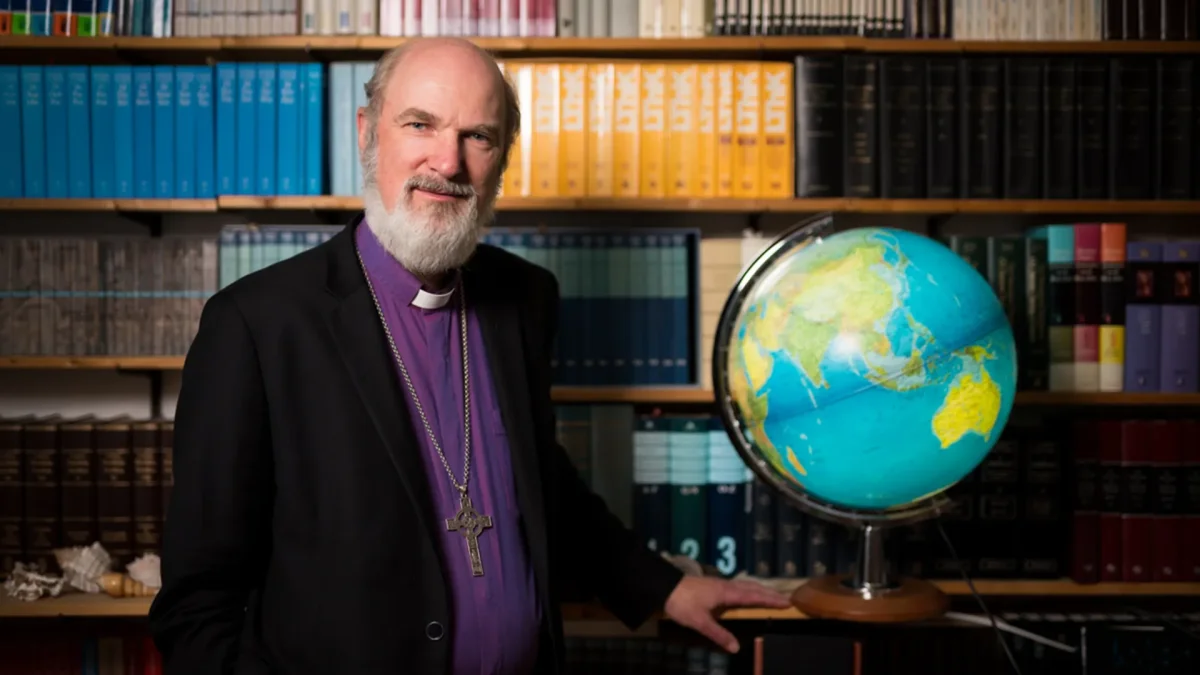
Eleven American Pentecostal pastors sat nervously with Pope Francis at the Vatican in June 2016. The meeting, arranged by Thomas Schirrmacher, then chair of the theological commission of the World Evangelical Alliance (WEA), was an opportunity for the guests to ask the pontiff anything they wanted. Two years earlier, Francis had publicly apologized for past Catholic persecution of the charismatic movement.
At the time, the Italian Evangelical Alliance had cautioned against growing ecumenical openness where “insurmountable” doctrinal obstacles exist. The American delegation was similarly opposed to Schirrmacher’s engagement but had agreed to the meeting. No one wanted to ask the first question. Amid the awkwardness, Francis took the initiative.
He asked the delegation to pray for him.
… Read more » … lire la suite »
Posted: June 25, 2026 • Permanent link: ecumenism.net/?p=15000
Categories: News, Opinion • In this article: Evangelical, Thomas Schirrmacher, World Evangelical Alliance
Transmis : 25 juin 2026 • Lien permanente : ecumenism.net/?p=15000
Catégorie : News, Opinion • Dans cet article : Evangelical, Thomas Schirrmacher, World Evangelical Alliance
Just as I was sitting down to write this article, the Vatican News Service reported that Pope Leo XIV had shared a phone call and sent a letter to his apostolic brother, Pope Tawadros II of Alexandria, marking the annual Day of Friendship between the Coptic Church and the Catholic Church.
… Read more » … lire la suite »
Posted: June 6, 2026 • Permanent link: ecumenism.net/?p=15022
Categories: One Body, Opinion • In this article: dialogue, ecumenism, spiritual ecumenism
Transmis : 6 juin 2026 • Lien permanente : ecumenism.net/?p=15022
Catégorie : One Body, Opinion • Dans cet article : dialogue, ecumenism, spiritual ecumenism
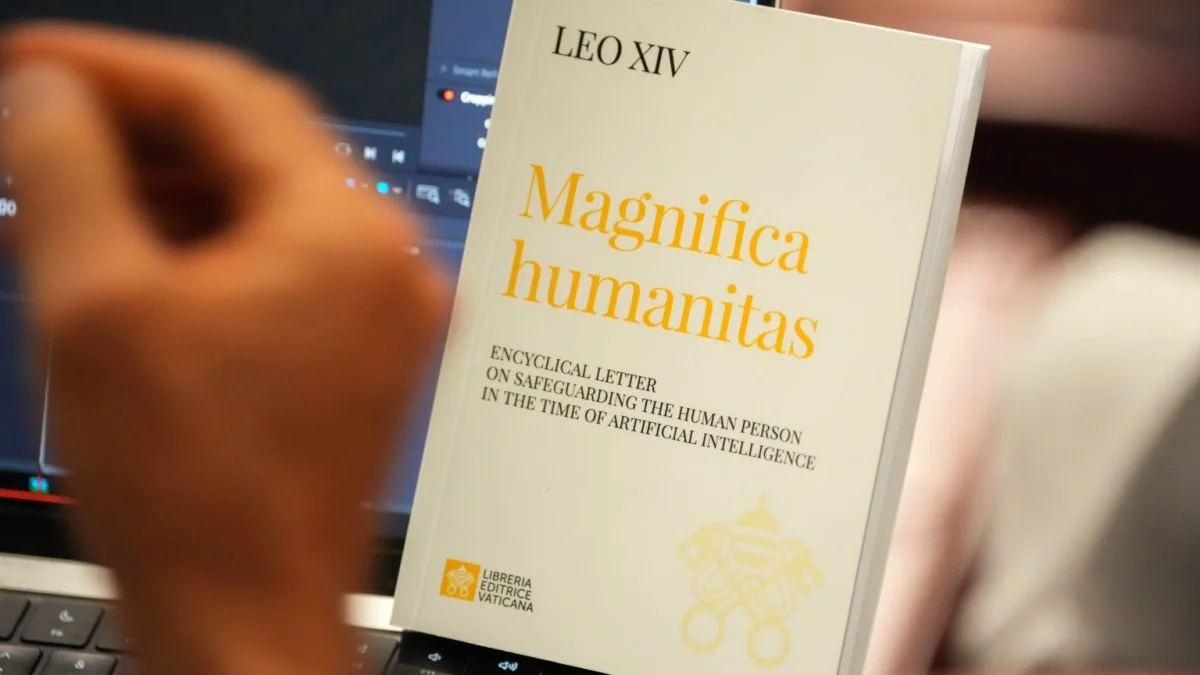
With its 243 paragraphs and more than 200 references, “Magnifica humanitas: On Safeguarding the Human Person in the Time of Artificial Intelligence,” the first encyclical of His Holiness Pope Leo XIV, will undoubtedly stand as a milestone in the development of Roman Catholic social doctrine. In retrospect, one better understands Cardinal Robert Prevost’s choice of the name “Leo” a little over a year ago: it signals a clear intention to situate his pontificate within a tradition of continuity, particularly in the Church’s mission to serve the most vulnerable in society, as did Pope Leo XIII.
… Read more » … lire la suite »
Posted: June 1, 2026 • Permanent link: ecumenism.net/?p=14971
Categories: News, Opinion • In this article: Artificial Intelligence, catholic social teaching, Greek Orthodox, human dignity, Magnifica Humanitas, Pope Leo XIV
Transmis : 1 juin 2026 • Lien permanente : ecumenism.net/?p=14971
Catégorie : News, Opinion • Dans cet article : Artificial Intelligence, catholic social teaching, Greek Orthodox, human dignity, Magnifica Humanitas, Pope Leo XIV
Since “Rerum Novarum,” Catholic social teaching has generally assumed that the state served as the primary counterweight to concentrated economic power. “Magnifica Humanitas” suggests that this arrangement no longer adequately describes reality.
Pope Leo XIV’s first encyclical declares artificial intelligence as the “rerum novarum,” the “new thing,” of our age. And while artificial intelligence is the encyclical’s stated focus, its analysis reaches far beyond AI itself into the broader social order that created the technology in the first place — presenting a critique of economic power that all Christians should wrestle with.
As an Episcopal priest and theology professor, let me begin by acknowledging that Protestants have historically had a complicated relationship with papal encyclicals. Beyond the obvious historical divisions, the very understanding of “church” that grounds Catholic social teaching is not ours. The concept of a magisterium does not bind us, and not all of the doctrinal moves made in the document are ones that we would necessarily share.
… Read more » … lire la suite »
Posted: May 28, 2026 • Permanent link: ecumenism.net/?p=15009
Categories: Opinion, RNS • In this article: catholic social teaching, Magnifica Humanitas, Pope Leo XIV, Protestant
Transmis : 28 mai 2026 • Lien permanente : ecumenism.net/?p=15009
Catégorie : Opinion, RNS • Dans cet article : catholic social teaching, Magnifica Humanitas, Pope Leo XIV, Protestant
Sometimes the pope knows how to nail some theses to the door, too.
In his first encyclical, Pope Leo XIV articulated a message all human beings need to hear—a protest this Protestant can gladly join, against the tech-bro utopia on offer right now. On this matter, every Christian should listen to the pope—both in his warning and in his underlying hope. What’s at stake is the very meaning of the soul.
In Magnifica Humanitas, Leo contends that the accelerating speed of artificial intelligence is not just a technological development or a foreseeable economic crisis but a spiritual and civilizational test that forces us to face what it means to be human. And the danger, the pope rightly warns, is not so much that artificial intelligence will become too humanlike but that human beings will become more like machines.
… Read more » … lire la suite »
Posted: May 27, 2026 • Permanent link: ecumenism.net/?p=15011
Categories: News, Opinion • In this article: Artificial Intelligence, catholic social teaching, Magnifica Humanitas, Pope Leo XIV, Protestant
Transmis : 27 mai 2026 • Lien permanente : ecumenism.net/?p=15011
Catégorie : News, Opinion • Dans cet article : Artificial Intelligence, catholic social teaching, Magnifica Humanitas, Pope Leo XIV, Protestant
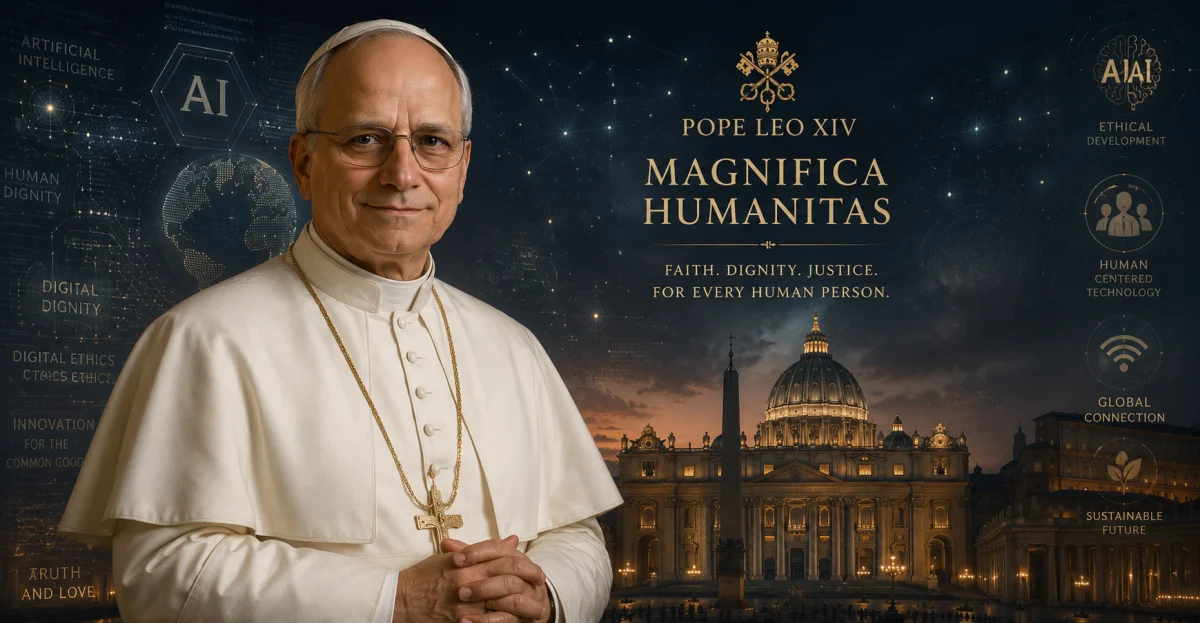
Pope Leo XIV’s “Magnifica Humanitas” places human dignity at the centre of the AI age and calls the Church to guide technology with ethics and justice.
On May 25, ten days after Pope Leo XIV signed his first encyclical, Magnifica Humanitas, on safeguarding the human person in the age of artificial intelligence, he made it public, prompting the Church to become the first major institution to offer ethical guidance for the AI era and underscoring the primacy of the human person.
Just a day after signing the encyclical, Leo, through a Rescriptum ex Audientia, established an interdicastery Commission on Artificial Intelligence, bringing together seven Vatican institutions under rotating coordination.
Taken together, the two acts constitute the most significant institutional response to AI by a major religious body anywhere in the world—and perhaps the clearest signal yet that the Vatican intends to do more than issue clever warnings from the margins of the debate.
… Read more » … lire la suite »
Posted: May 25, 2026 • Permanent link: ecumenism.net/?p=15007
Categories: Global Catholic, Opinion • In this article: catholic social teaching, Magnifica Humanitas, Pope Leo XIV
Transmis : 25 mai 2026 • Lien permanente : ecumenism.net/?p=15007
Catégorie : Global Catholic, Opinion • Dans cet article : catholic social teaching, Magnifica Humanitas, Pope Leo XIV
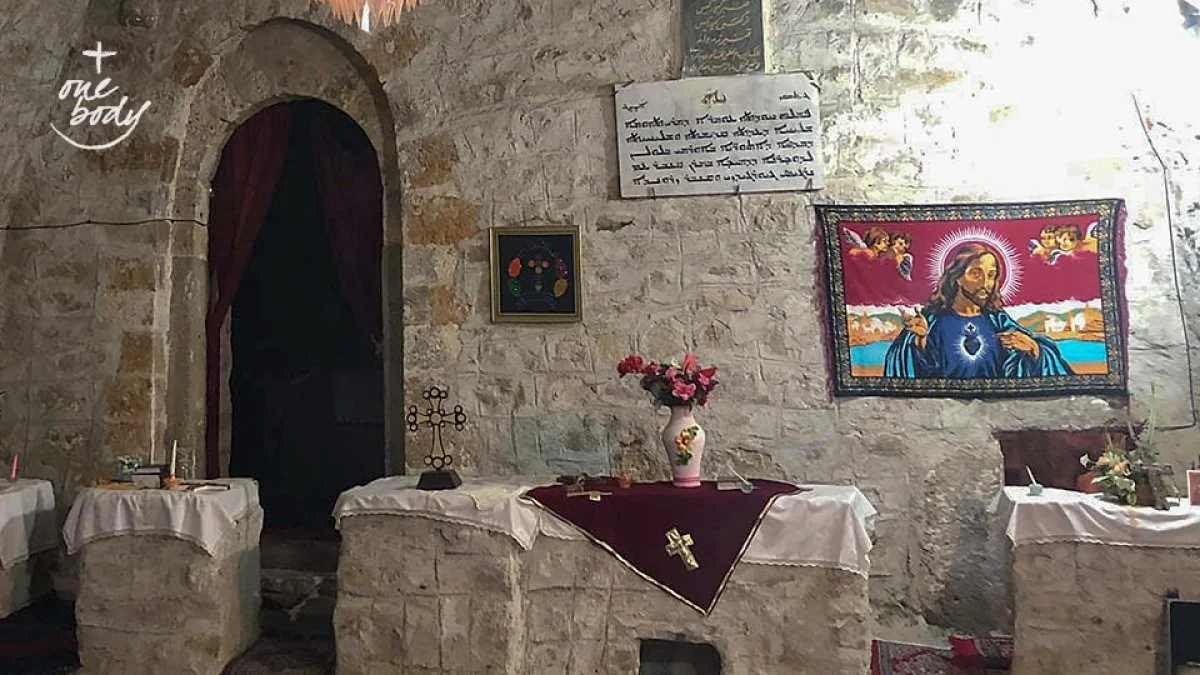
On July 20, 2001, the Pontifical Council for Promoting Christian Unity (PCPCU) published its Guidelines for Admission to the Eucharist between the Chaldean Church and the Assyrian Church of the East. These Guidelines open the way for competent authorities in the Chaldean Catholic Church and the Assyrian Church of the East to establish procedures and provide appropriate means for the Chaldean and Assyrian faithful to receive the Eucharist of either Church under specific circumstances in cases of pastoral necessity. The principal issue for the Catholic Church in approving the decree related to the question of the validity of the Eucharist when celebrated with the Anaphora (or Eucharistic Prayer) of Addai and Mari which lacks a literal recitation of the Institution Narrative, Jesus’ words: “This is my Body, This is my Blood.” After careful study, the validity of this Anaphora was recognized by the Congregation of the Doctrine of the Faith (CDF) on January 17th 2001. Subsequently approved by Pope John Paul II, this has been recognized as an audacious decision: Robert Taft, SJ, an Archimandrite in the Ukrainian Catholic Church and a consultant for the Vatican Congregation for the Oriental Churches, has called the publication of the Guidelines “the most remarkable Catholic magisterial document since Vatican II.”
… Read more » … lire la suite »
Posted: May 4, 2026 • Permanent link: ecumenism.net/?p=14947
Categories: One Body, Opinion • In this article: Assyrian Church of the East, Chaldean, eucharist
Transmis : 4 mai 2026 • Lien permanente : ecumenism.net/?p=14947
Catégorie : One Body, Opinion • Dans cet article : Assyrian Church of the East, Chaldean, eucharist
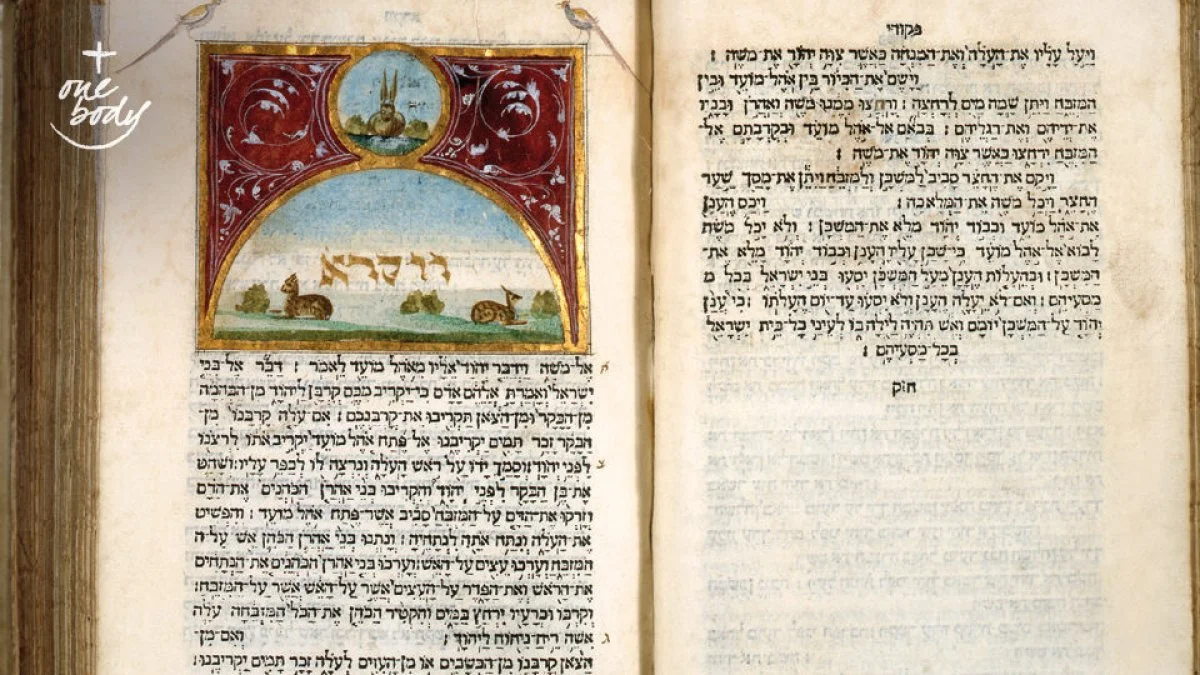
There has never been a time when Jews and Christians were not talking with each other about the Bible. Well, perhaps “talking” is a bit misleading – for most of that time, Jews and Christians engaged in strenuous arguments with each other about the Bible and its meaning. Despite early attempts to sever Christianity from the Jewish Scriptures, such as by Marcion in the second century. Moreover, it has insisted that its way of reading those Scriptures, especially texts seeming to prophesy a messiah, was the only correct way.
… Read more » … lire la suite »
Posted: Mar. 31, 2026 • Permanent link: ecumenism.net/?p=14941
Categories: One Body, Opinion • In this article: antisemitism, Bible, Hebrew Bible, Judaism, New Testament, Scripture
Transmis : 31 mars 2026 • Lien permanente : ecumenism.net/?p=14941
Catégorie : One Body, Opinion • Dans cet article : antisemitism, Bible, Hebrew Bible, Judaism, New Testament, Scripture
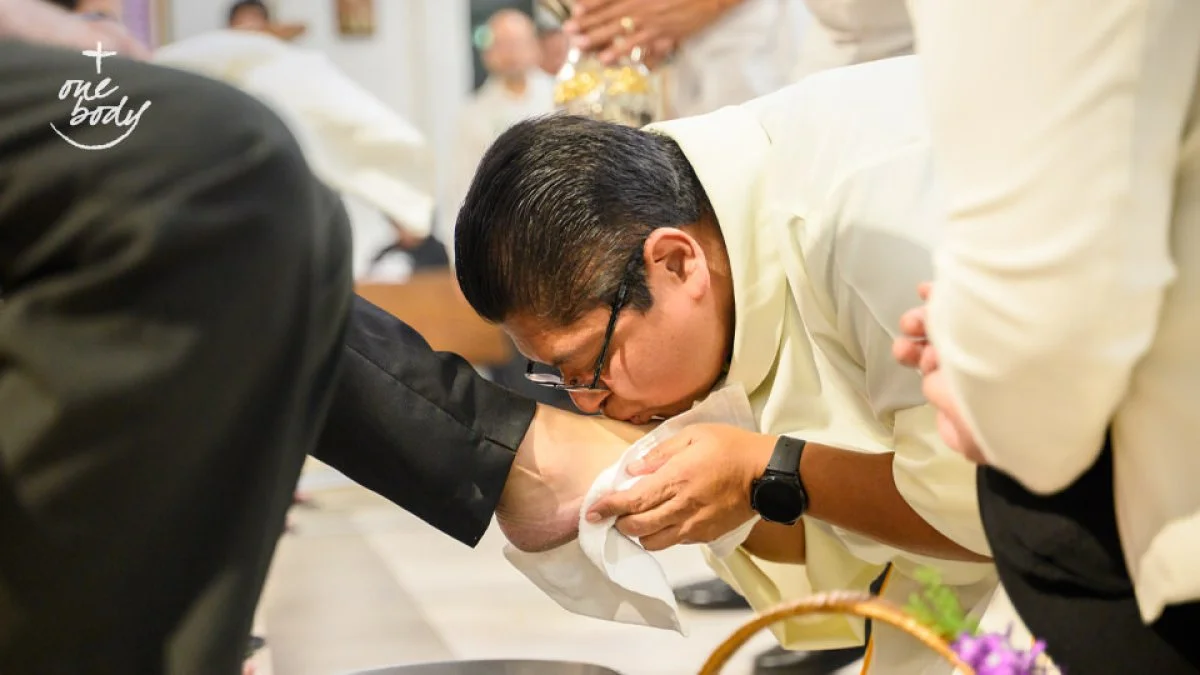
What if footwashing were a sacrament? Of all of the things that Jesus instructed the disciples to do, why didn’t footwashing become a sacrament like the others? Thoughts like these are one of the hazards of being a theologian.
I was thinking about this strange idea this week while reflecting on Pope Leo XIV’s new series of catecheses on Vatican II. Just when he is encouraging us to re-read the documents of the Council, the CCCB has issued a new National Strategy on Ecumenism. The first step in this strategy is to focus on education and formation about the church’s ecumenical teaching, beginning with the Council.
… Read more » … lire la suite »
Posted: Feb. 26, 2026 • Permanent link: ecumenism.net/?p=14835
Categories: One Body, Opinion • In this article: baptism, diakonia, mission, ordinances, sacraments
Transmis : 26 févr. 2026 • Lien permanente : ecumenism.net/?p=14835
Catégorie : One Body, Opinion • Dans cet article : baptism, diakonia, mission, ordinances, sacraments
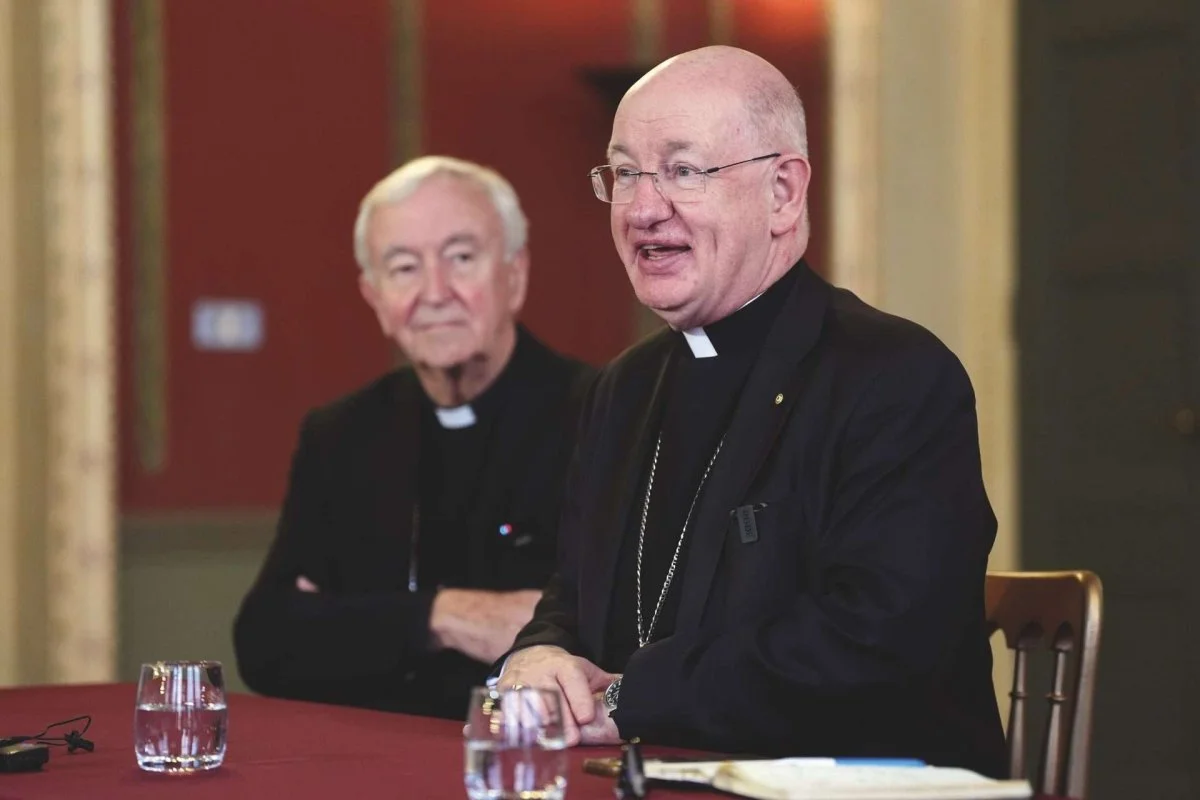
What is the Catholic Church in England and Wales for, exactly? Some might insist existence is enough and no more needs to be said. When the Catholic Church taught extra ecclesiam nulla salus without qualification, that was clearly an imperative. But the Catechism now states: “Those who, through no fault of their own, do not know the Gospel of Christ or his Church, but who nevertheless seek God with a sincere heart, and, moved by grace, try in their actions to do his will as they know it through the dictates of their conscience – those too may achieve eternal salvation” (quoting Lumen Gentium, 16). Paradise is open to all people of sincere goodwill. So why be Catholic? It is not a question that has yet been fully answered.
… Read more » … lire la suite »
Posted: Feb. 11, 2026 • Permanent link: ecumenism.net/?p=14798
Categories: Opinion, Tablet • In this article: Anglican, Catholic, Church of England, England
Transmis : 11 févr. 2026 • Lien permanente : ecumenism.net/?p=14798
Catégorie : Opinion, Tablet • Dans cet article : Anglican, Catholic, Church of England, England
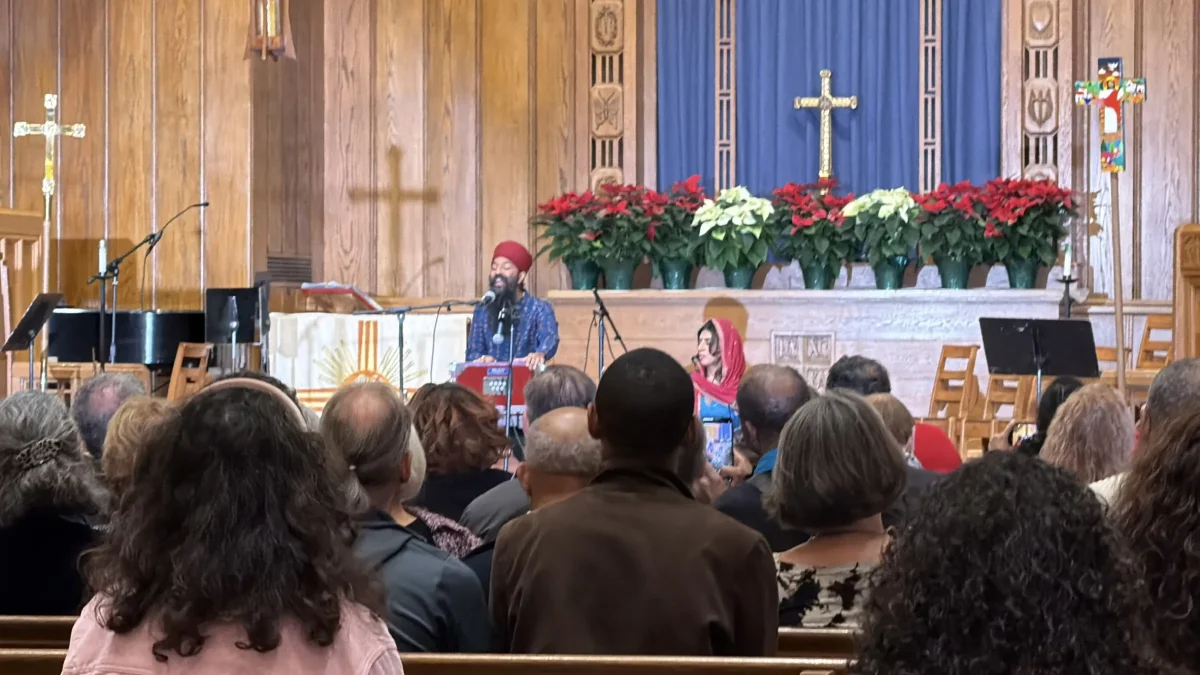
To mark the 1 to 7 February World Interfaith Harmony Week, LWF’s director for Theology, Mission and Justice reflects on the need to stand united against division and hatred, tending the flame of hope together.
When the United Nations launched the World Interfaith Harmony Week in 2010, the vision was for a week globally dedicated to highlighting common values across faith traditions, including all people of goodwill — love of God, love of the good, and love of neighbour. Sixteen years later, as we observe this week again, the onslaught of the unending bad news reminds me how the world has shifted dramatically. The challenge before us is no longer simply about dialogue and understanding. It’s about solidarity and cooperation for the common good in the face of rising religious nationalism globally.
… Read more » … lire la suite »
Posted: Feb. 3, 2026 • Permanent link: ecumenism.net/?p=14792
Categories: Lutheran World Information, Opinion • In this article: Interfaith Harmony Week, religious nationalism
Transmis : 3 févr. 2026 • Lien permanente : ecumenism.net/?p=14792
Catégorie : Lutheran World Information, Opinion • Dans cet article : Interfaith Harmony Week, religious nationalism

Every January, Christians across Canada gather with a hope older than our divisions and brighter than our differences: the hope that the Body of Christ may one day breathe again with fully united lungs. The Week of Prayer for Christian Unity is an annual observance. It is also an invitation to rediscover what we already share and what God still calls us to become together.
The 2026 materials for the Week of Prayer were prepared by the Churches of Armenia: the Armenian Apostolic Church, the Armenian Catholic, and Armenian Evangelical Churches. Together they form one of the oldest Christian cultures in the world, shaped by Scripture, martyrdom, and a liturgical and theological tradition in which the wisdom of the early Fathers still flows like living water. To receive these materials from the Armenian Churches is to listen to a voice that has carried the Gospel across empires, mountains, and diasporas.
… Read more » … lire la suite »
Posted: Jan. 8, 2026 • Permanent link: ecumenism.net/?p=14858
Categories: One Body, Opinion • In this article: Armenian, Christian unity, spiritual ecumenism, WPCU
Transmis : 8 janv. 2026 • Lien permanente : ecumenism.net/?p=14858
Catégorie : One Body, Opinion • Dans cet article : Armenian, Christian unity, spiritual ecumenism, WPCU

This past fall, I attended an event honouring the late Rabbi Reuven Bulka, a loved and respected rabbi from Ottawa. I was struck by the high level of security and how such measures are now common in Jewish circles. I thought, How sad we’ve come to this point in Canada where Jews are constantly forced to prepare for potential physical violence!
Antisemitism isn’t new. For millennia, Jews have faced slander, hatred and violence – and far too often from the Church. In the latter half of the 20th century, many hoped for the end of antisemitism after Auschwitz. Alarmingly, antisemitism is rising yet again.
… Read more » … lire la suite »
Posted: Jan. 2, 2026 • Permanent link: ecumenism.net/?p=14732
Categories: News, Opinion • In this article: antisemitism, Judaism, religious hatred
Transmis : 2 janv. 2026 • Lien permanente : ecumenism.net/?p=14732
Catégorie : News, Opinion • Dans cet article : antisemitism, Judaism, religious hatred
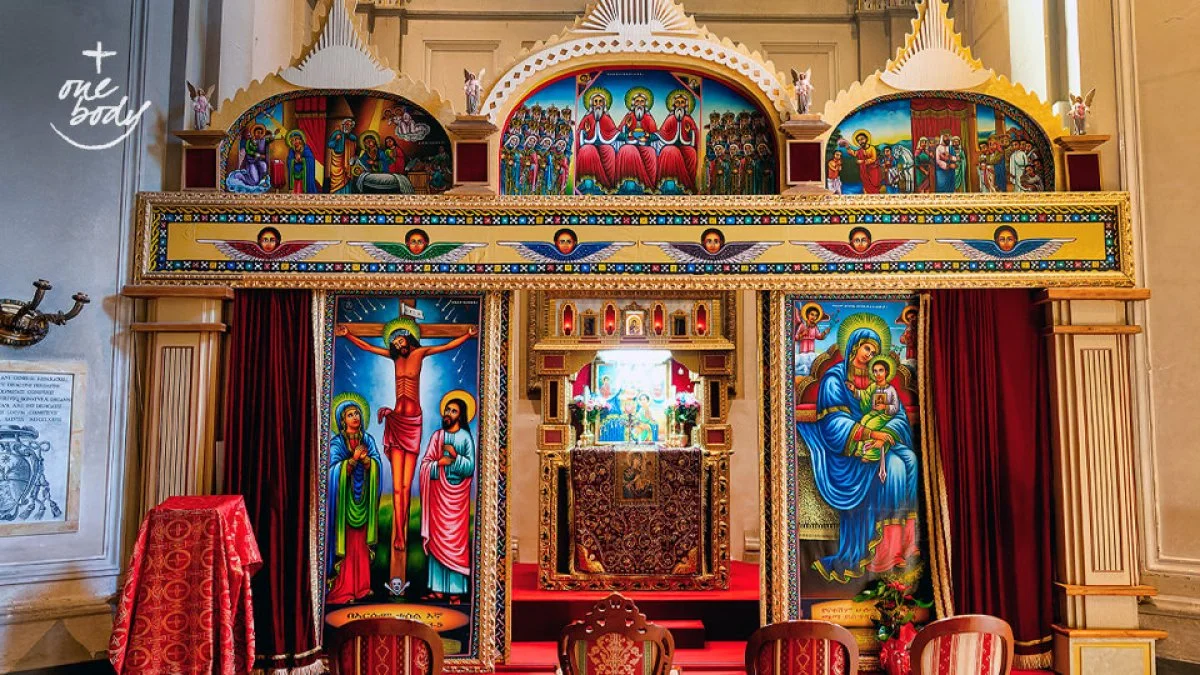
Like the followers of many other faith traditions, Christians maintain that God is mystery, beyond all human words and knowing. Yet, Christians also believe their encounter with God in the person of Jesus and the activity of the Holy Spirit has given them a special revelation about who God is. Central to Christian faith is the belief that in Jesus of Nazareth, God (the Word of God) becomes human. Here is a radical statement, proclaimed in John’s Gospel: “The Word was made flesh and dwelt among us.” (John 1:14) This is the doctrine of the incarnation, from the Latin in carne “into flesh.” This is what we, Christians, are to live and proclaim as good news.
… Read more » … lire la suite »
Posted: Dec. 7, 2025 • Permanent link: ecumenism.net/?p=14854
Categories: One Body, Opinion • In this article: Armenian, Assyrian Church of the East, Catholic, Christology, Coptic, dialogue, Eritrean Orthodox, Ethiopian Orthodox, Malankara Orthodox Syrian Church, Malankara Syrian Orthodox Church, Oriental Orthodox
Transmis : 7 déc. 2025 • Lien permanente : ecumenism.net/?p=14854
Catégorie : One Body, Opinion • Dans cet article : Armenian, Assyrian Church of the East, Catholic, Christology, Coptic, dialogue, Eritrean Orthodox, Ethiopian Orthodox, Malankara Orthodox Syrian Church, Malankara Syrian Orthodox Church, Oriental Orthodox

At the heart of Pope Leo XIV’s journey to Türkiye this weekend will be a pilgrimage to Iznik, a small city about 140 km south of Istanbul. Iznik is better known to Church history by its Greek name, Nicaea. That’s where, 1700 years ago, the First Ecumenical Council was held. This Friday, Pope Leo is gathering with Ecumenical Patriarch Bartholomew I and other Christian leaders for an ecumenical prayer service to celebrate the landmark anniversary.
… Read more » … lire la suite »
Posted: Nov. 27, 2025 • Permanent link: ecumenism.net/?p=14702
Categories: News, Opinion • In this article: Bartholomew I, Nicaea, Nicene-Constantinopolitan Creed, Pope Leo XIV
Transmis : 27 nov. 2025 • Lien permanente : ecumenism.net/?p=14702
Catégorie : News, Opinion • Dans cet article : Bartholomew I, Nicaea, Nicene-Constantinopolitan Creed, Pope Leo XIV
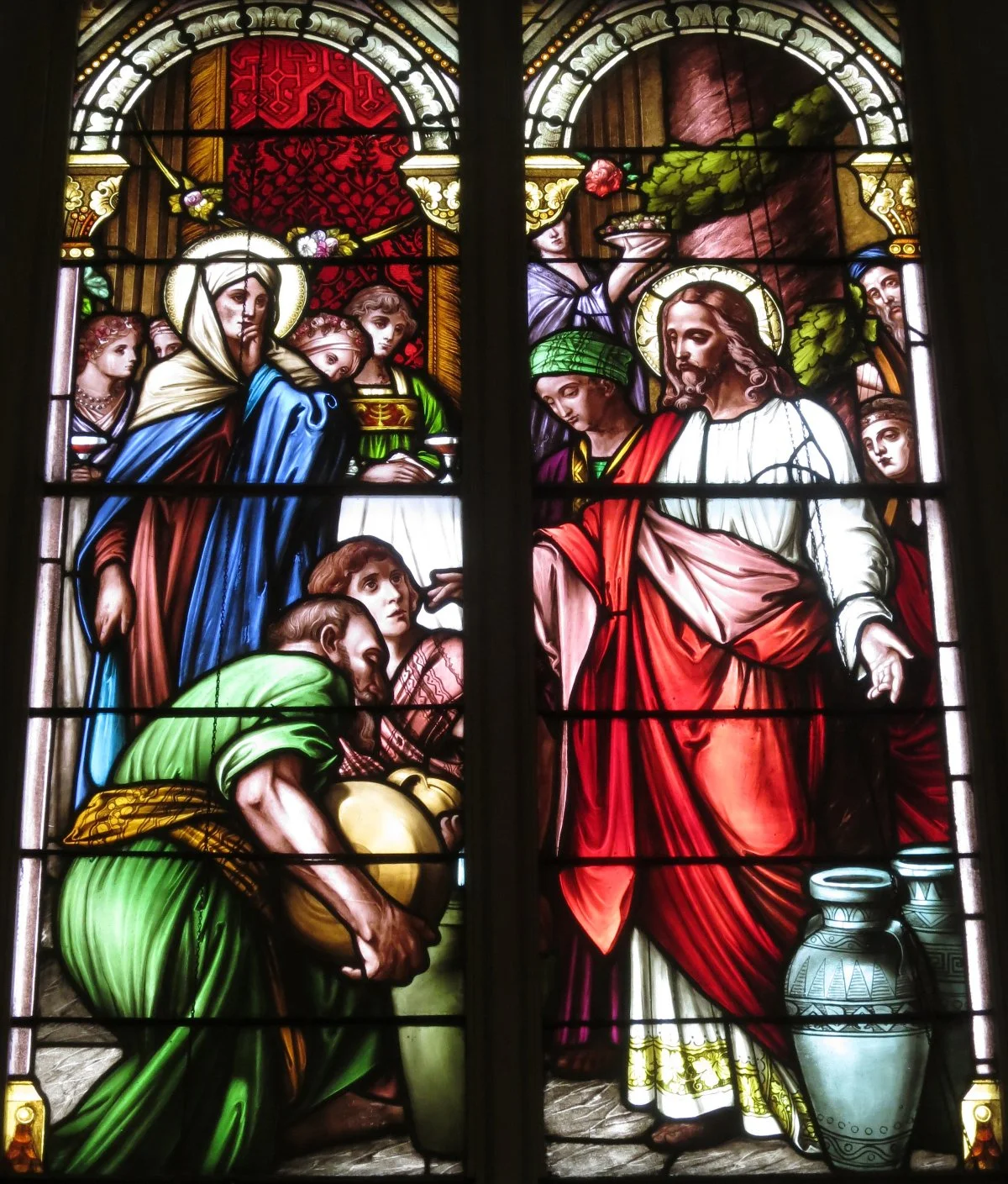
In Rome, on November 4—the memorial of Saint Charles Borromeo—the Dicastery for the Doctrine of the Faith released Mater Populi Fidelis, a doctrinal note that feels like a gentle breeze amid the stormy seas of ecumenical dialogue. More fully titled Doctrinal Note on Some Marian Titles Regarding Mary’s Cooperation in the Work of Salvation, this document is not just another Vatican pronouncement; it is a thoughtful, Scripture-soaked reflection that reins in exuberant Marian devotions while anchoring them firmly in the mystery of Christ. For some within the broader Christian family, especially Anglicans, this note arrives as a welcome affirmation. It conveys a balanced reverence for the Blessed Virgin, reminding us that ecumenism is not about compromise but about rediscovering shared truths.
… Read more » … lire la suite »
Posted: Nov. 10, 2025 • Permanent link: ecumenism.net/?p=14682
Categories: News, Opinion • In this article: Co-redemptorix, Dicastery for the Doctrine of the Faith, Mary, Victor Manuel Fernández
Transmis : 10 nov. 2025 • Lien permanente : ecumenism.net/?p=14682
Catégorie : News, Opinion • Dans cet article : Co-redemptorix, Dicastery for the Doctrine of the Faith, Mary, Victor Manuel Fernández
In his book, Border Lines: The Partition of Judaeo-Christianity, Daniel Boyarin presents the parting of the ways as two sibling traditions born from the same mother (that is, second Temple Judaism, in all its diversity) and gradually developing apart over a long and complicated historical and cultural process, almost the way different languages emerge from their root mother – French and Italian from Latin, for instance, though intervening languages like Provencal, Occitan, or Romansch complicate a simplistic either/or picture.
… Read more » … lire la suite »
Posted: Nov. 1, 2025 • Permanent link: ecumenism.net/?p=14676
Categories: News, Opinion • In this article: Eastern Orthodox, Jewish-Christian relations, Nicaea
Transmis : 1 nov. 2025 • Lien permanente : ecumenism.net/?p=14676
Catégorie : News, Opinion • Dans cet article : Eastern Orthodox, Jewish-Christian relations, Nicaea
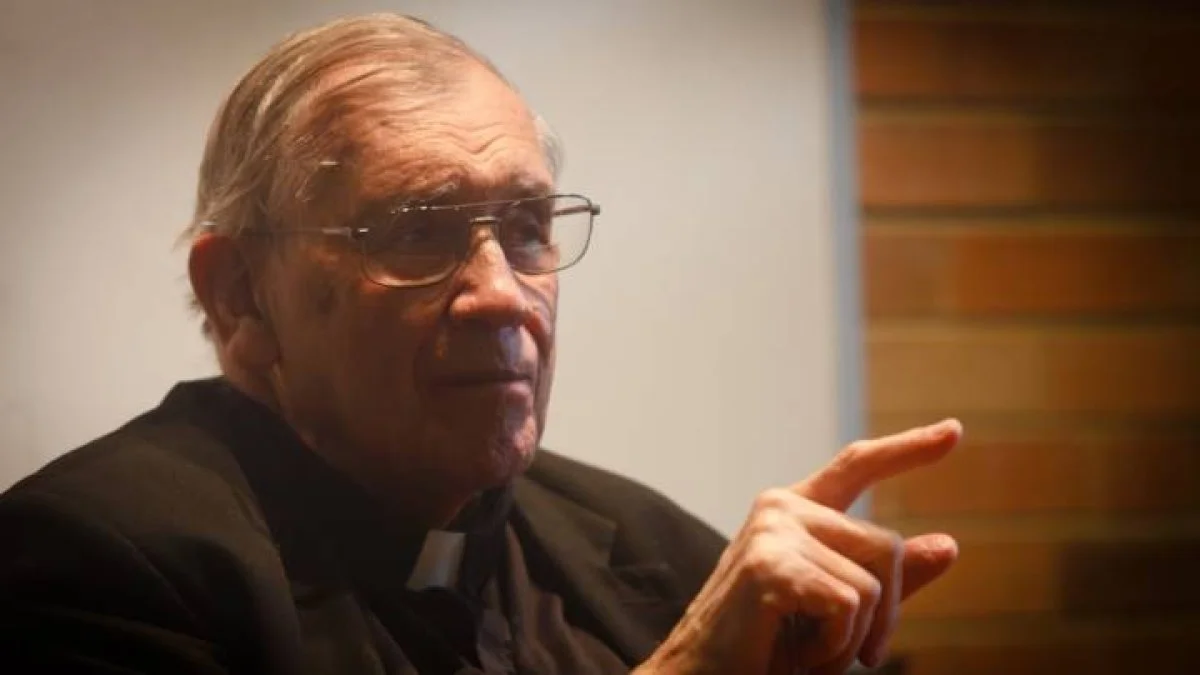
Vatican II’s Declaration Nostra Aetate does not delve into Christological understanding in a direct way. But through its affirmations of continued covenantal inclusion on the part of Jews and Judaism, it undercuts a central base for classical Christianity. How can the restored covenantal inclusion for Jews be proclaimed side-by-side with the longstanding belief in Christ’s salvific work?
…
In recent years we have witnessed a movement in scholarly circles to reorient the image of Paul. That effort has led to a focus on the compatibility of Pauline teaching with the tenets of Second Temple Judaism. Hence, any Christology rooted simplistically in a “law-gospel” or “flesh-spirit” dichotomy can no longer stand the test of scholarly inquiry relative to Paul. While the new scholarship may present Pauline teachings on the significance of Jesus the Christ with different shadings, there is a building consensus that earlier portrayals of Paul’s vision in this regard have seriously distorted his intent.
… Read more » … lire la suite »
Posted: Nov. 1, 2025 • Permanent link: ecumenism.net/?p=14658
Categories: Opinion • In this article: Jewish-Christian relations, Judaism, Nostra Aetate, Second Vatican Council
Transmis : 1 nov. 2025 • Lien permanente : ecumenism.net/?p=14658
Catégorie : Opinion • Dans cet article : Jewish-Christian relations, Judaism, Nostra Aetate, Second Vatican Council
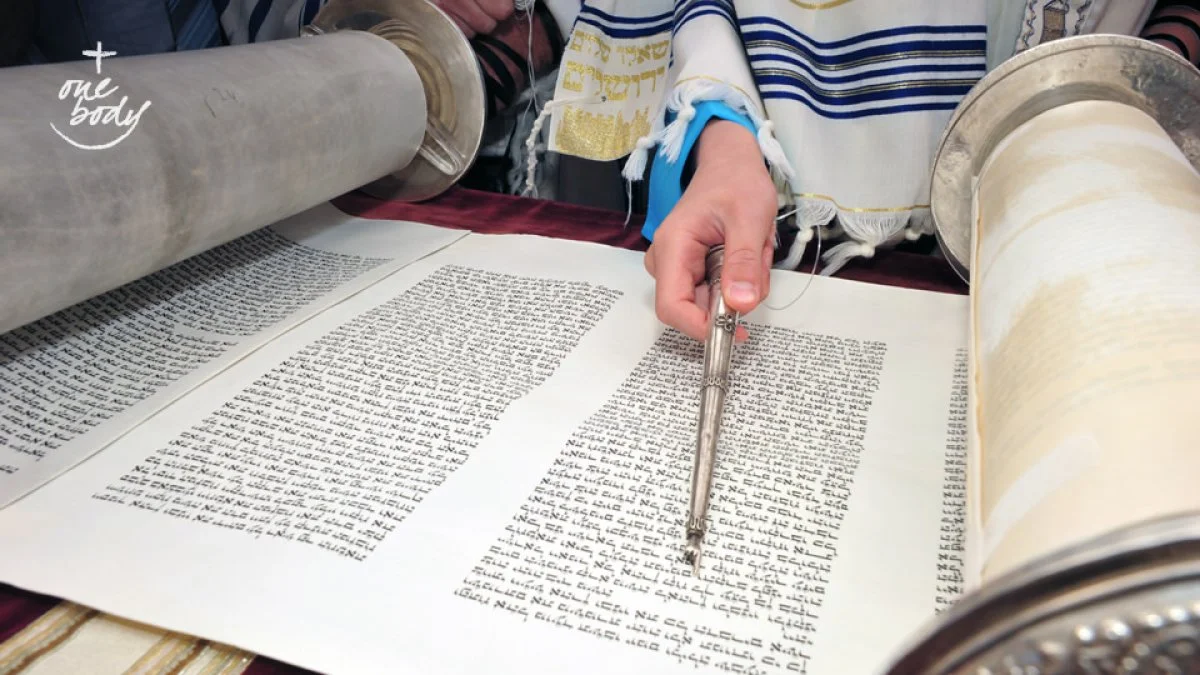
Rabbi David Seed and Catholic Biblical scholar Murray Watson are friends and colleagues. They are also members of the Christian-Jewish Dialogue of Toronto [CJDT], one of Canada’s oldest interfaith organizations, which is celebrating its 50th anniversary this year.
Over the course of three weeks in late September and early October (which included the Jewish High Holy Days), the two friends exchanged messages in a back-and-forth conversation about the significance of the upcoming 60th anniversary of Nostra Aetate. The ground-breaking Vatican II declaration on non-Christian religions was approved by Pope Paul VI and more than 2200 bishops on October 28, 1965. The document that eventually became Nostra Aetate started out as a document about Catholic teaching on Jews and Judaism. In its final form, kept its special place for Judaism and the Jewish people, denouncing antisemitism and violence against Jews, stressing the many areas of commonality between Jews and Christians, and summoning Catholics to engage in learning, dialogue, and cooperation with the Jewish community. It is the shortest of Vatican II’s 16 documents, but one of the most theologically significant; it has been the catalyst for a dramatic transformation in Catholic-Jewish relations, and has helped to inspire similar documents from other Christian communities.
… Read more » … lire la suite »
Posted: Oct. 28, 2025 • Permanent link: ecumenism.net/?p=14848
Categories: One Body, Opinion • In this article: Jewish-Christian relations, Nostra Aetate, One Body, Second Vatican Council
Transmis : 28 oct. 2025 • Lien permanente : ecumenism.net/?p=14848
Catégorie : One Body, Opinion • Dans cet article : Jewish-Christian relations, Nostra Aetate, One Body, Second Vatican Council
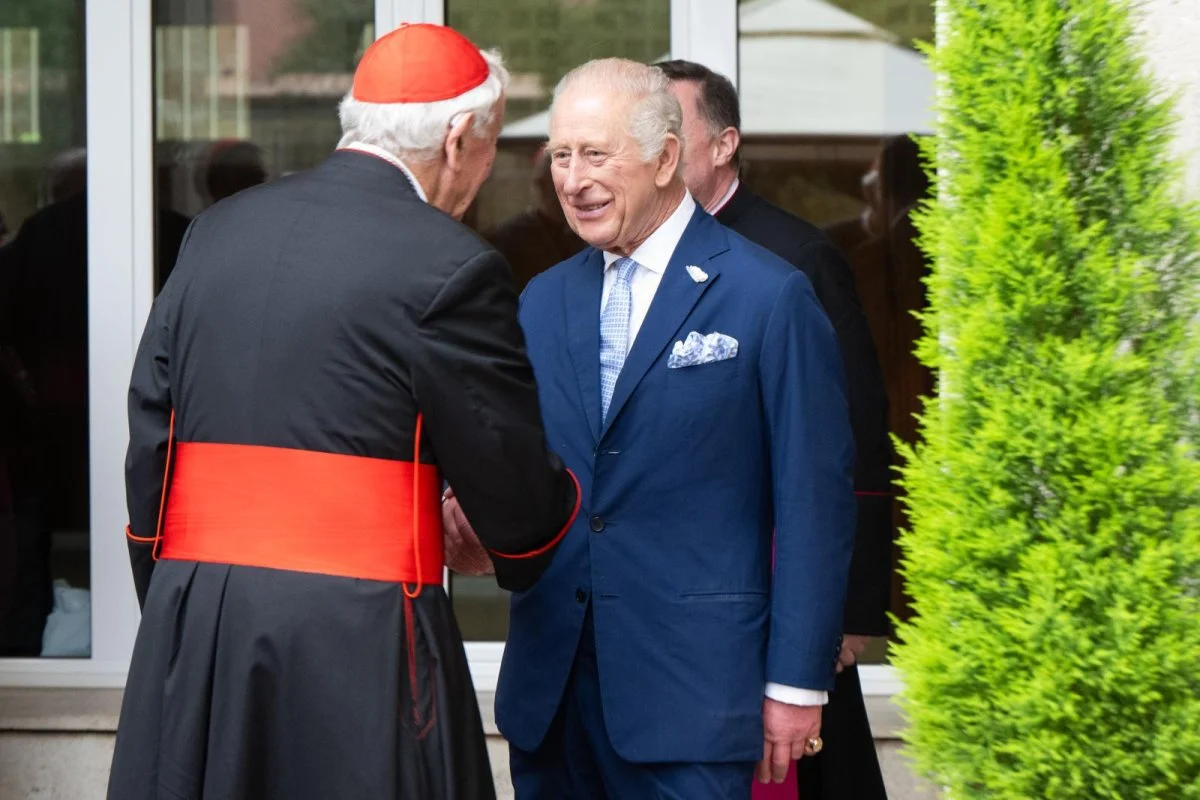
In the central courtyard of the Apostolic Palace, the Cortile San Damaso, the red carpets were laid out with great precision. All was prepared for the arrival of King Charles and Queen Camilla for their State Visit to the Holy See.
The events of that day are well known: a private meeting with Pope Leo with an exchange of gifts, a ceremony of prayer in the magnificent Sistine Chapel, a time of further discussion, then another wondrous ceremony in the Basilica of St Paul’s Outside the Walls, and finally a formal reception, and the planting of a tree, in the Beda College.
I was privileged to have front row seats in the two liturgical events, making it a day I shall never forget.
… Read more » … lire la suite »
Posted: Oct. 27, 2025 • Permanent link: ecumenism.net/?p=14670
Categories: News, Opinion • In this article: Charles III, Pope Leo XIV, Vincent Nichols
Transmis : 27 oct. 2025 • Lien permanente : ecumenism.net/?p=14670
Catégorie : News, Opinion • Dans cet article : Charles III, Pope Leo XIV, Vincent Nichols
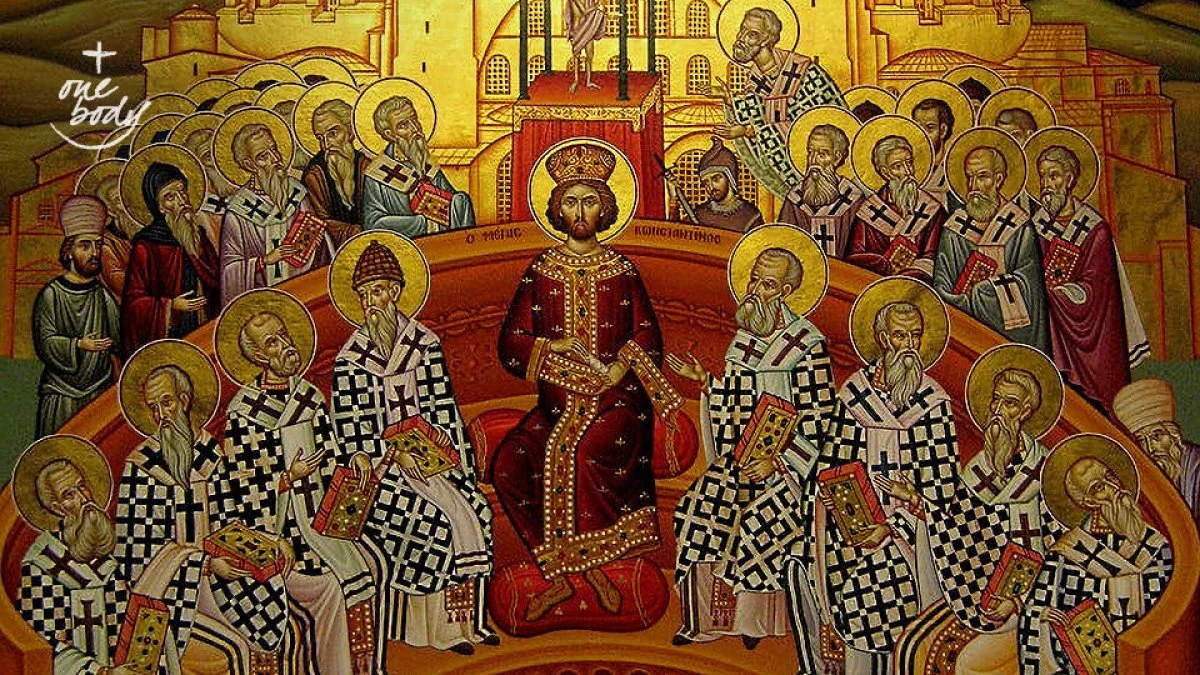
“We believe.” These are the first words of the original Nicene Creed, written 1,700 years ago at the Council of Nicaea. This ecumenical council in 325 AD produced a summary statement of Christian belief that has been professed by Christians around the world ever since. Both for its longevity and its universal appeal, the Nicene Creed stands apart from every other statement of Christian belief. It also has a profound ecumenical significance, which I explored in January’s One Body article, Do You Believe This?
At the end of November, Pope Leo XIV is expected to visit Nicaea with Orthodox Patriarch Bartholomew. Each year, the pope and patriarch send delegations to the other to celebrate their patronal feasts of Sts. Peter and Paul in Rome on June 29 and St. Andrew in Constantinople (Istanbul) on November 30. This year, in the modern city of Iznik, where Nicaea once was, the two leaders will together commemorate the 1,700th anniversary of the first ecumenical council. They will also commend the church to continue in the dialogue of life and love begun at the end of the Second Vatican Council.
… Read more » … lire la suite »
Posted: Oct. 3, 2025 • Permanent link: ecumenism.net/?p=14650
Categories: One Body, Opinion • In this article: Nicaea, Nicaea 2025, Nicene-Constantinopolitan Creed, WCC Commission on Faith and Order
Transmis : 3 oct. 2025 • Lien permanente : ecumenism.net/?p=14650
Catégorie : One Body, Opinion • Dans cet article : Nicaea, Nicaea 2025, Nicene-Constantinopolitan Creed, WCC Commission on Faith and Order

A number of years ago, at a local dialogue meeting of Catholics and Mennonites in Edmonton, we considered together that section of the Catechism of the Catholic Church that pertains specifically to the “one-ness” of the Church (#811-822).
I remember in particular a great discussion that ensued around CCC #815. It delineates the “bonds of communion” which, for Catholics, mark and hold Christians in unity with one another within the Body of Christ. That paragraph reads:
What are these bonds of unity? Above all, charity “binds everything together in perfect harmony.” But the unity of the pilgrim Church is also assured by visible bonds of communion:
- profession of one faith received from the Apostles;
- common celebration of divine worship, especially the sacraments;
- apostolic succession through the sacrament of Holy Orders, maintaining the fraternal concord of God’s family.
Posted: Aug. 28, 2025 • Permanent link: ecumenism.net/?p=14648
Categories: One Body, Opinion • In this article: Catholic, dialogue, Dicastery for Promoting Christian Unity, Mennonite, Mennonite World Conference
Transmis : 28 aoüt 2025 • Lien permanente : ecumenism.net/?p=14648
Catégorie : One Body, Opinion • Dans cet article : Catholic, dialogue, Dicastery for Promoting Christian Unity, Mennonite, Mennonite World Conference

This year, 2025, marks the 100th anniversary of the founding of The United Church of Canada (UCC). It is a uniquely Canadian church, formed in part in response to the desire to minister effectively to the many small Christian communities scattered across the sparsely populated prairie provinces. The UCC has been committed to the search for Christian unity from the time of its foundation, something it has clearly expressed in its fifty year dialogue with the Canadian Roman Catholic Church.
Following an exchange of correspondence between the UCC General Council and the Canadian Conference of Catholic Bishops (CCCB) in the fall of 1974, the Roman Catholic/United Church Dialogue held its first meeting in November 1975. Appointed by the UCC’s Inter-Church and Inter-Faith Relations Committee and the CCCB’s Episcopal Commission for Ecumenism, dialogue participants are committed to improving relationships between the two churches, and to countering misinformation, stereotypes, and prejudices. It explores pastoral, theological, and ethical issues, including those that have traditionally prevented full unity. In consultation with its two sponsoring bodies, the group determines its agenda, reports periodically on the dialogue and seeks ways of communicating what it has learned from the dialogue.
… Read more » … lire la suite »
Posted: July 15, 2025 • Permanent link: ecumenism.net/?p=14643
Categories: One Body, Opinion • In this article: Catholic, CCCB, dialogue, United Church of Canada
Transmis : 15 juil. 2025 • Lien permanente : ecumenism.net/?p=14643
Catégorie : One Body, Opinion • Dans cet article : Catholic, CCCB, dialogue, United Church of Canada
Long-time Bridgefolk participants remember the booming voice of the late Ivan Kauffman celebrating historic moments that have marked the development of closer relationships between Mennonites, Roman Catholics, and other divided Christians: “It’s a miracle!”
Kauffman would almost shout it. But he had a solidly empirical definition for miracles to match his exuberance: “Things that everybody agreed could not happen, but that happened anyway.”
If Kauffman could have been in Zurich, Switzerland on 29 May 2025, we would surely have heard his booming voice again. Commemorating the 500th anniversary of the Anabaptist movement that began in January of 1525, its spiritual descendants in Mennonite, Amish, Hutterite, and related churches gathered at the city’s Grossmünster cathedral there at the invitation of Mennonite World Conference (MWC).
… Read more » … lire la suite »
Posted: June 20, 2025 • Permanent link: ecumenism.net/?p=14612
Categories: News, Opinion • In this article: César Garcia, Dicastery for Promoting Christian Unity, Kurt Koch, Mennonite World Conference, Reconciliation, Reformation, Reformed churches, Setri Nyomi, World Communion of Reformed Churches
Transmis : 20 juin 2025 • Lien permanente : ecumenism.net/?p=14612
Catégorie : News, Opinion • Dans cet article : César Garcia, Dicastery for Promoting Christian Unity, Kurt Koch, Mennonite World Conference, Reconciliation, Reformation, Reformed churches, Setri Nyomi, World Communion of Reformed Churches
June 10, 2025 marks 100 years since 8,000 people gathered in the Mutual Street Arena in Toronto to formally inaugurate, with declarations and worship, The United Church of Canada. Members of the United Church today will easily acknowledge that its history is an ecumenical history, and they remember and celebrate its important contributions to the ongoing search for Christian unity and interfaith cooperation. Reflecting on this history in today’s world of increasingly violent division, fear, and distrust of difference, celebrations also bring questions: what is the continuing ecumenical call to a church committed to “Deep Spirituality, Bold Discipleship, and Daring Justice?”
I offer here a review of that ecumenical history: the beginnings and subsequent life and witness of the United Church, an overview of the church’s ecumenical witness today, and some questions and challenges arising as the church enters the next phase of its life in the world.
… Read more » … lire la suite »
Posted: June 7, 2025 • Permanent link: ecumenism.net/?p=14641
Categories: One Body, Opinion • In this article: dialogue, United Church of Canada
Transmis : 7 juin 2025 • Lien permanente : ecumenism.net/?p=14641
Catégorie : One Body, Opinion • Dans cet article : dialogue, United Church of Canada
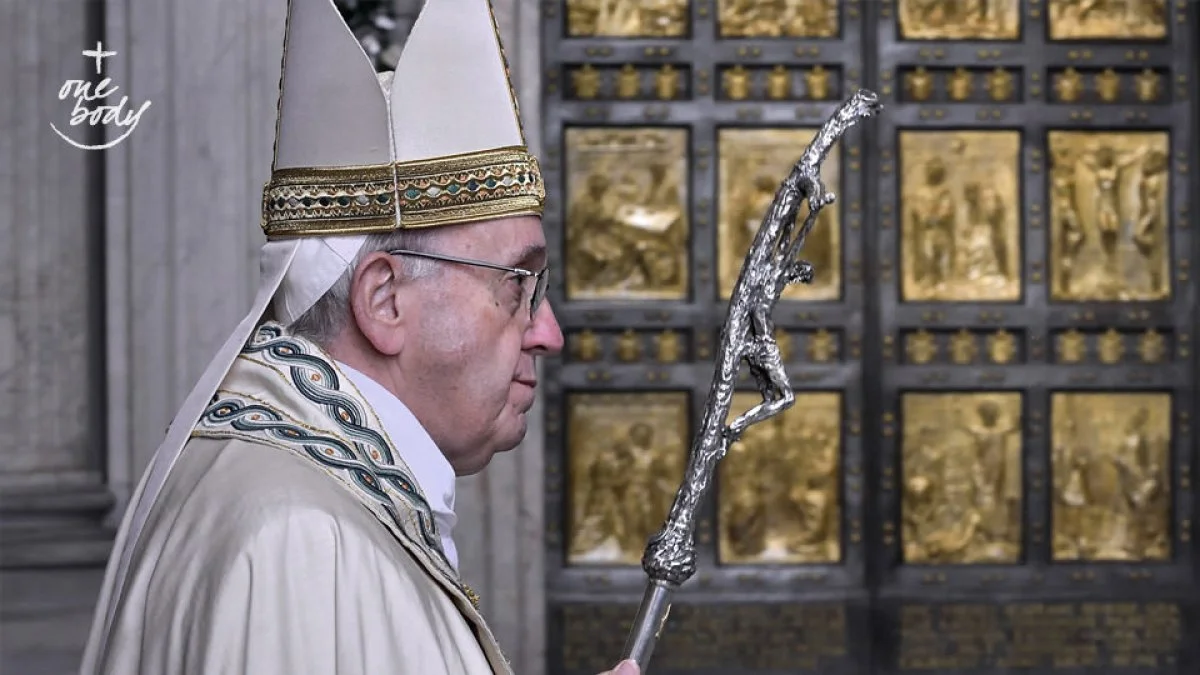
After Pope Francis died, an ecumenical colleague asked me about the ecumenical legacy of the late pope. As I endeavoured to answer him, I found myself clarifying at several points that Francis was not all that different in his ecumenical commitments from the previous popes, going back to Pope Paul VI and the Second Vatican Council. Each of the post-conciliar popes has presided over significant steps on the ecumenical journey, and Francis should be seen as continuing this same journey. As much as I love and appreciate him, I am uncomfortable giving Francis sole credit for achievements that are largely due to the efforts of ecumenical leaders in the Roman Curia, ecumenical agencies, theological dialogues, and national and local churches. The achievements of the ecumenical movement during the Francis papacy are certainly due to his guidance, encouragement, permission, and his genuinely open spirit, and it is for these that we can give thanks.
The Spirit asks us to listen to the questions, concerns, and hopes of every Church, people, and nation. And to listen to the world, to the challenges and changes that it sets before us. Let us not soundproof our hearts; let us not remain barricaded in our certainties. So often our certainties can make us closed. Let us listen to one another (Homily at the Mass Opening the Synodal Path, October 10, 2021).
Working as an ecumenist in the Francis years has been a great joy. I have been studying and working in ecumenism since the late 1980s, beginning in the middle years of Pope John Paul II and through the long years of Joseph Ratzinger/Pope Benedict XVI’s time at the Congregation for the Doctrine of the Faith (CDF) and then his papacy. These were positive years of ecumenical progress. John Paul II was a figure who transformed Catholic relations with the Evangelical world. He presided over the most significant years of bilateral dialogue with Anglicans, Lutherans, Orthodox, Methodists, and Reformed. He was the pope who approved the Joint Declaration on the Doctrine of Justification and issued common declarations on Christology with the Oriental Orthodox. He convened world religious leaders at Assisi to pray for peace.
… Read more » … lire la suite »
Posted: May 3, 2025 • Permanent link: ecumenism.net/?p=14573
Categories: One Body, Opinion • In this article: ecumenism, One Body, Pope Francis
Transmis : 3 mai 2025 • Lien permanente : ecumenism.net/?p=14573
Catégorie : One Body, Opinion • Dans cet article : ecumenism, One Body, Pope Francis

Sometimes it is enough for two religious festivals to fall close to each other in the calendar for us to conclude that there must be some relationship between them. For example, the December holidays of Hanukkah and Christmas have led more than a few people to assume that, since both winter festivals involve gift-giving and candlelight, Hanukkah must therefore be some sort of “Jewish Christmas.” Of course, the two festivals are very, very different, commemorating very different historical events 160 years apart.
But sometimes holy dates that are adjacent on the calendar are related, and can even cast light upon each other. The Jewish 8-day festival of Passover [Pesach] and the Christian festival of Easter are not the same, by any means. Yet they are also interconnected in ways that are very thought-provoking and enriching, if we are willing to dig below the surface to learn more about them.
… Read more » … lire la suite »
Posted: Apr. 10, 2025 • Permanent link: ecumenism.net/?p=14567
Categories: One Body, Opinion • In this article: Easter, Judaism, Murray Watson, Passover, Seder
Transmis : 10 avril 2025 • Lien permanente : ecumenism.net/?p=14567
Catégorie : One Body, Opinion • Dans cet article : Easter, Judaism, Murray Watson, Passover, Seder
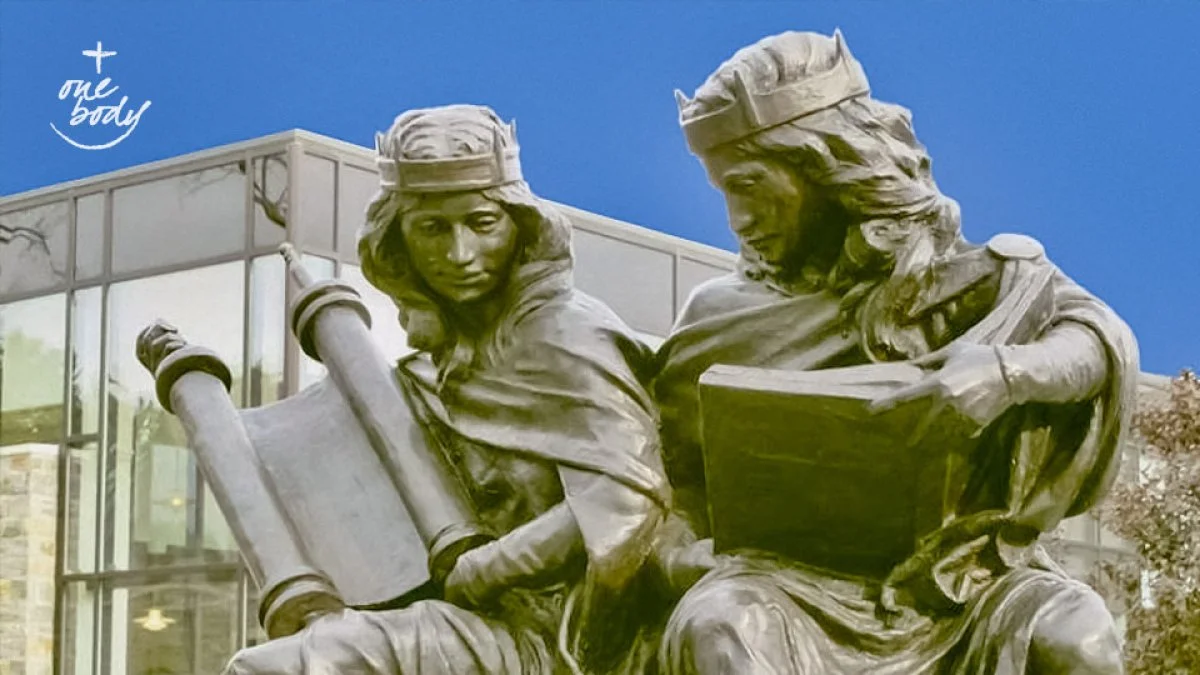
February is a special month to recognize and celebrate the many efforts made in communities all across Canada to promote healthy and active interreligious relationships.
For the past 15 years, the United Nations has designated February 1-7 as World Interfaith Harmony Week, dedicated to spreading “the message of harmony and tolerance among the followers of all the world’s religions, faiths and beliefs.” It adheres, in the broadest possible terms, to the principles of “Love of God (or the Good)” and “Love of Neighbour.”
In my own city, as in many Canadian cities, World Interfaith Harmony Week is marked by a variety of activities including open house events at churches, temples, mosques, and synagogues; educational and dialogue events; concerts and spoken word events; and of course prayer events led by and involving different religious communities. It is a beautiful weeklong celebration of local religious diversity, and an annual reminder and recommitment within each religious community, of the importance of supporting one another and working together for the common good.
While the Catholic Church does not officially mark World Interfaith Harmony Week, at least not within the liturgical calendar, many Catholics – from the popes on down – are actively engaged in promoting interreligious connections and activities all around the world. Indeed, it is not an exaggeration to identify the Catholic Church today as a leader in the field of interreligious relations.
… Read more » … lire la suite »
Posted: Feb. 15, 2025 • Permanent link: ecumenism.net/?p=14535
Categories: One Body, Opinion • In this article: interfaith, Judaism, Julien Hammond, Nostra Aetate, One Body, Second Vatican Council
Transmis : 15 févr. 2025 • Lien permanente : ecumenism.net/?p=14535
Catégorie : One Body, Opinion • Dans cet article : interfaith, Judaism, Julien Hammond, Nostra Aetate, One Body, Second Vatican Council
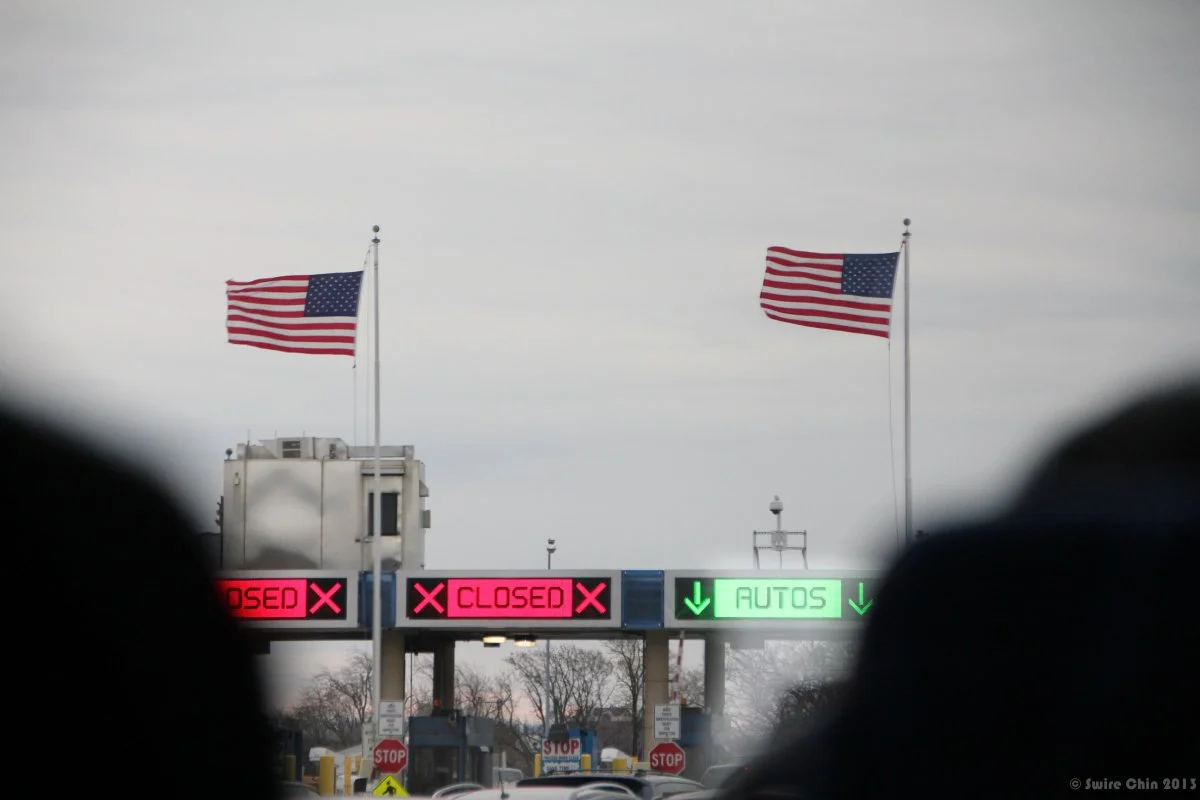
Canada must urgently withdraw from the Safe Third Country Agreement (STCA) given the dire situation facing refugees in the United States, the Canadian Council for Refugees and Amnesty International Canada said today.
The Safe Third Country Agreement between Canada and the United States bars most people crossing into Canada via the United States from seeking refugee protection in Canada. Under the agreement – which is premised on the notion that both countries reliably respect people’s right to seek asylum – people entering Canada via the U.S. to make a refugee claim here are usually turned back at the border.
“President Trump’s extreme anti-immigrant and anti-asylum orders are designed to instill fear and make the U.S dangerously more unsafe for those seeking protection,” said Ketty Nivyabandi, Secretary General of Amnesty International Canada’s English-speaking section. “Canada’s assertion that the United States remains a safe country for refugees under the Trump administration is a cruel irony to those fleeing persecution today. It must be urgently rescinded, and tariffs threats must not blur the plight of those at immediate risk.”
… Read more » … lire la suite »
Posted: Feb. 4, 2025 • Permanent link: ecumenism.net/?p=14505
Categories: News, Opinion • In this article: Amnesty International, Canadian Council for Refugees, Canadian Council of Churches, migration, refugees, safe third-country agreement
Transmis : 4 févr. 2025 • Lien permanente : ecumenism.net/?p=14505
Catégorie : News, Opinion • Dans cet article : Amnesty International, Canadian Council for Refugees, Canadian Council of Churches, migration, refugees, safe third-country agreement
“A permanent ceasefire would cease hostilities, release all remaining hostages, liberate thousands of Palestinian prisoners detained without cause or charge, ensure continuing and increasing humanitarian aid in all forms — medical, food and psychological — and result in the withdrawal of occupying forces,” write Anglican, Lutheran, Presbyterian and United Church leaders.
… Read more » … lire la suite »
Posted: Feb. 4, 2025 • Permanent link: ecumenism.net/?p=14513
Categories: News, Opinion • In this article: Canada, church leaders, Gaza, Israel, Middle East, Palestine, peace
Transmis : 4 févr. 2025 • Lien permanente : ecumenism.net/?p=14513
Catégorie : News, Opinion • Dans cet article : Canada, church leaders, Gaza, Israel, Middle East, Palestine, peace
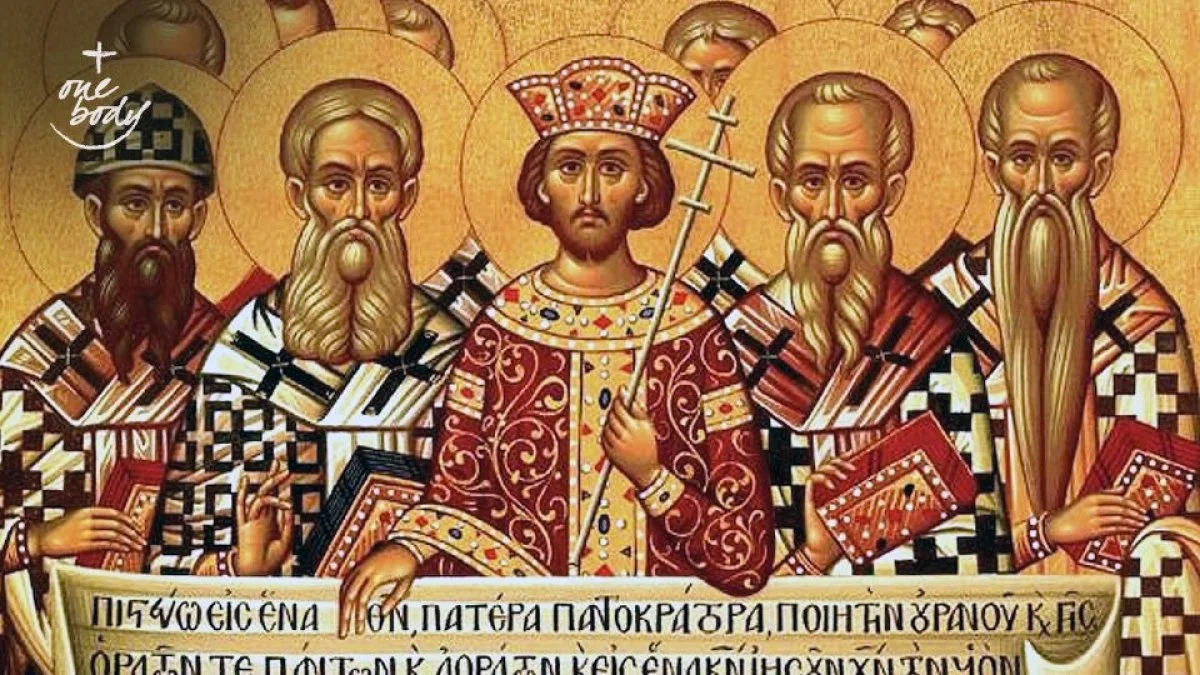
When Jesus comes to Mary and Martha in Bethany after the death of Lazarus, he says to Martha “I am the resurrection and the life. Those who believe in me, even though they die, will live, and everyone who lives and believes in me will never die.” And then he asks her, “Do you believe this?” Martha responds, “Yes, Lord, I believe that you are the Messiah, the Son of God, the one coming into the world” (John 11:25-27). This exchange prepares us for the miracle of the raising of Lazarus: one who believed, yet even though he died, he lived. Like Lazarus, we who believe, even though we will die, will be raised by Jesus into eternal life.
“Do you believe this?” Jesus’ question puts us on the spot. Our belief, or profession of faith, determines whether we will inherit eternal life. At the same time, in other passages in the Gospels, Jesus reminds us that love of God is the greatest commandment, “and the second is like it,” to love our neighbour as ourselves (Matthew 22:37-39; Mark 12:30-31). “Truly I tell you, just as you did not do it to the least of these [the hungry, thirsty, stranger, naked, or imprisoned], you did not do it to me” (Matthew 25:45).
In every time, every place, and every way, Christians are called to profess their faith in Christ. Faith in God cannot be limited to simple dogmatic formulas but must embrace our whole heart, soul, and mind (Matthew 22:36; Mark 12:30). Faith compels us to order our lives in conformity with Christ’s command to care for the hungry, thirsty, stranger, naked, and imprisoned. What we have done or left undone exposes the imperfections of our profession of faith. So, Jesus’ question “Do you believe this?” is weighted with enormous significance for our lives in this world and the next.
… Read more » … lire la suite »
Posted: Jan. 17, 2025 • Permanent link: ecumenism.net/?p=14466
Categories: One Body, Opinion • In this article: Nicaea, Nicholas Jesson, statements of faith, WCC Commission on Faith and Order, WPCU
Transmis : 17 janv. 2025 • Lien permanente : ecumenism.net/?p=14466
Catégorie : One Body, Opinion • Dans cet article : Nicaea, Nicholas Jesson, statements of faith, WCC Commission on Faith and Order, WPCU
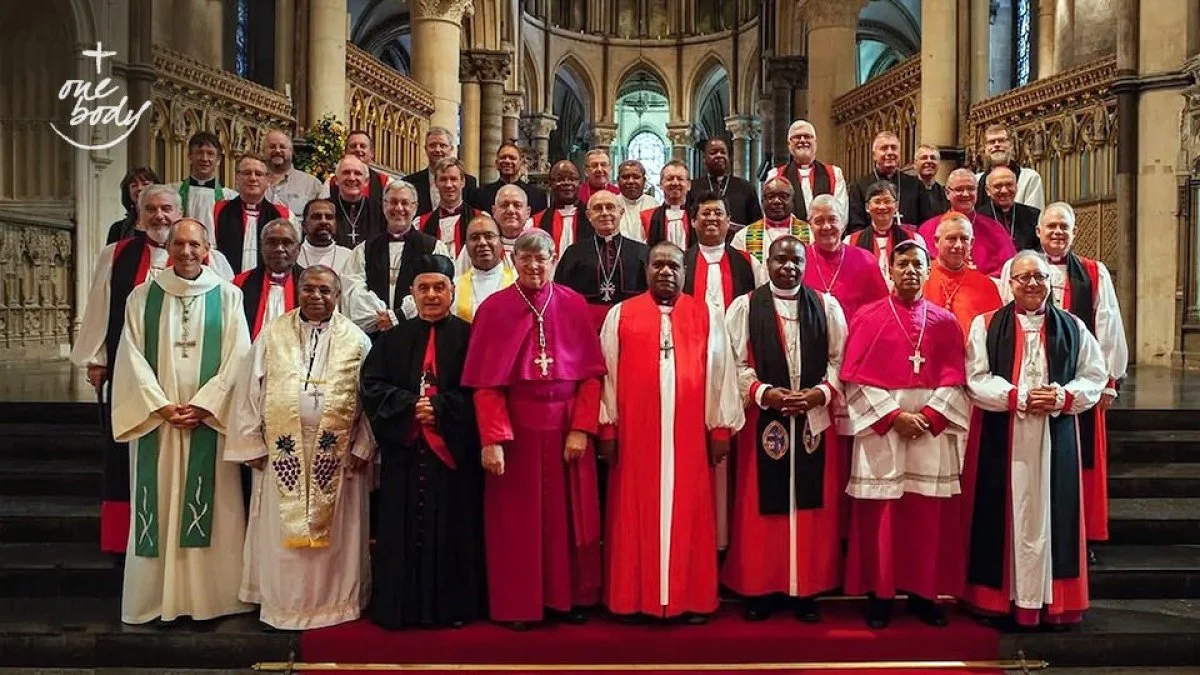
The years following the closure of the Second Vatican Council in 1965 witnessed an explosion of bilateral ecumenical dialogues between various churches. Among these is the International Anglican-Roman Catholic Commission for Unity and Mission (IARCCUM), which traces its origins to a consultation of Anglican and Roman Catholic bishops in May 2000. It holds a unique place which may offer hope for renewed ecumenical progress.
Pope St. John Paul II and Archbishop of Canterbury Dr. George Carey signed a Common Declaration when Carey visited Rome in December, 1996. In response to that declaration, Carey and Cardinal Edward Cassidy, President of the Pontifical Council for Promoting Christian Unity (PCPCU), invited pairs of Anglican and Catholic bishops from around the world to gather at a retreat house in Mississauga, ON. Chosen by their fellow bishops to represent their respective Anglican Province or Episcopal Conference, they met to evaluate the state of Anglican-Roman Catholic relations and to chart a course for the future.
Grounded in prayer, the consultation began with a time of retreat, a shared meditation on conversion, communion, and a renewal of baptismal promises. On alternate days, the Eucharist, Morning Prayer, and Evening Prayer were celebrated according to the tradition of each communion. Making use of a theological reflection model based on experience, the gathering was designed with a minimum of input from other presenters at the consultation. Among the goals identified by the planning committee, it was hoped that the bishops would have an experience of exercising their episcopal ministry together during the consultation and continuing after, which might encourage commitment to a more regular exercise of shared ministry locally. With this in mind, a questionnaire was forwarded to the countries of the participating bishops prior to the conference. Responses to the questionnaire provided a kind of “map” of the state of current relationships, examples of ongoing joint witness, and issues which should be addressed together.
… Read more » … lire la suite »
Posted: Dec. 9, 2024 • Permanent link: ecumenism.net/?p=14447
Categories: One Body, Opinion • In this article: Anglican, bishops, Catholic, dialogue, IARCCUM
Transmis : 9 déc. 2024 • Lien permanente : ecumenism.net/?p=14447
Catégorie : One Body, Opinion • Dans cet article : Anglican, bishops, Catholic, dialogue, IARCCUM
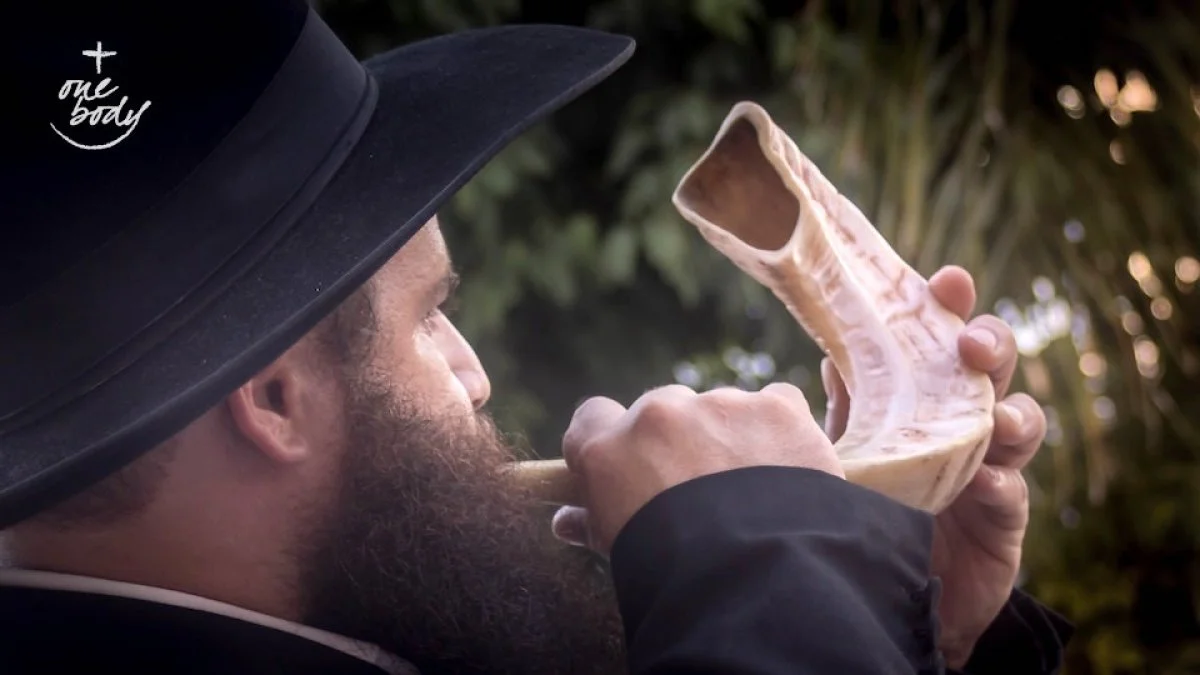
When most of us speak of “the New Year,” we are generally talking about January 1, the day when our Western civil calendar rolls over from one year to the next. But we know that we live in a world of multiple “new years,” such as the new school year which begins in the autumn, the new liturgical year that starts with the First Sunday of Advent, fiscal years for businesses and NGO’s, and the new year that a wedding anniversary inaugurates.
We also know that, in a diverse country like Canada, many of our neighbours follow religious and cultural calendars that mark various New Years, including the lunar new year (aka the “Chinese New Year”) celebrated by several Asian cultures. Both Islam and Judaism rely, either completely or partially, on a lunar calendar. This results in a year of 354 days — different from the solar calendar many of us in the Western Hemisphere use, which has 365 or 366 days. In Islam, this means that important holy days and seasons gradually “slip backwards” throughout the year, and can occur in any Western month. In Judaism, that variation is “corrected” by the insertion of an occasional “leap month,” which resets the calendar and ensures that important feasts occur, more or less, in the same seasons.
… Read more » … lire la suite »
Posted: Oct. 12, 2024 • Permanent link: ecumenism.net/?p=14445
Categories: One Body, Opinion • In this article: calendar, Judaism, repentance
Transmis : 12 oct. 2024 • Lien permanente : ecumenism.net/?p=14445
Catégorie : One Body, Opinion • Dans cet article : calendar, Judaism, repentance
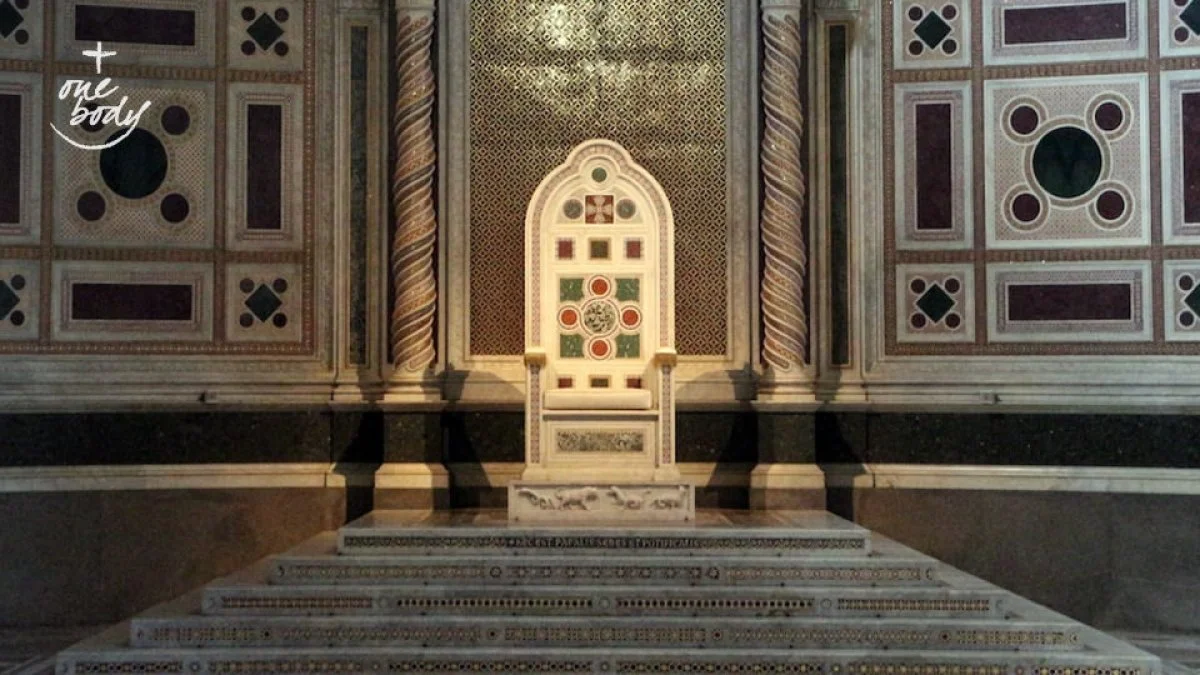
At the heart of Catholic ecumenism, there is a paradox. For Catholics, the papacy stands as a focus of unity. The pope exercises a primacy within the church as the successor to the apostles of unity, Peter and Paul, who established the church in Rome and whose tombs continue to be places of pilgrimage. Yet, despite this ministry of unity, the papacy itself is the greatest obstacle to unity in the church today.
In 1995 Pope John Paul II issued his encyclical on Christian unity, Ut Unum Sint, “That All May be One.” Known for his many great (and long) encyclicals and other letters to the church, the saintly John Paul invited us to a spiritual conversion both as individual Christians and as a church. He spoke about how the cause of Christian unity is not an appendix to the church’s work but an integral aspect of our mission as the body of Christ called to unity, holiness, catholicity, and apostolicity. He reminded us that spiritual ecumenism is at the heart of the ecumenical movement, and he invited us to pray regularly for the unity that Christ willed for the church. He called us to work, together with other Christians, in justice and social action for the common good.
He acknowledged that for many Christians separated from us, the history of the papacy and its claims to exercise authority in the church and world constituted an original cause of division that continues to be a source of irritation and a reminder of the great chasm between our churches. He noted that central to the papal claims is that he is the successor to the apostle Peter, the first among the Twelve. This “primacy” is a character, or charism, not only of the pope, but also of patriarchs of the Eastern churches, archbishops within their metropolitan territories, and bishops within their presbyterate. Primacy, like other charisms, is a gift of the Holy Spirit for building up the church in unity. The pope as primate of the universal church has a universal ministry of unity.
… Read more » … lire la suite »
Posted: Sept. 26, 2024 • Permanent link: ecumenism.net/?p=14443
Categories: One Body, Opinion • In this article: Dicastery for Promoting Christian Unity, papacy, petrine ministry, Ut Unum Sint
Transmis : 26 sept. 2024 • Lien permanente : ecumenism.net/?p=14443
Catégorie : One Body, Opinion • Dans cet article : Dicastery for Promoting Christian Unity, papacy, petrine ministry, Ut Unum Sint
The last two articles of “One Body” have focused on Catholic-Lutheran relations in Canada, and beyond, through the lenses of:
- the development and reception of the Joint Declaration on the Doctrine on Justification (slmedia.org/blog/jddj-milestone-challenge), and
- the Evangelical Lutheran Church in Canada, a member of the Lutheran World Federation (LWF) (slmedia.org/blog/jddj-milestone-challenge).
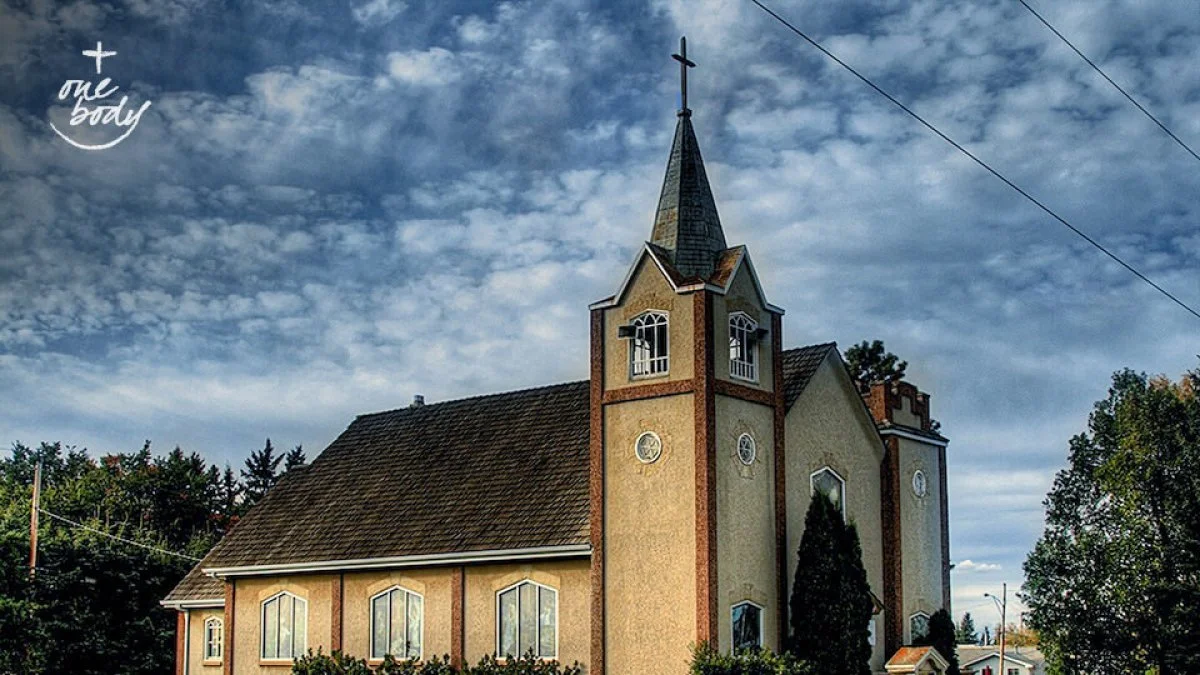
Close readers of both articles will notice references made to a Christian community of Canadian Lutherans that is neither a member of the Lutheran World Federation nor a signatory to the Joint Declaration. These are Christians belonging to Lutheran Church-Canada (LCC), which I am pleased to spotlight in this month’s blog.
LCC was founded in 1988 out of the St. Louis-based Lutheran Church-Missouri Synod (LCMS), after the latter withdrew from North American Lutheran church merger talks. By their own reckoning:
Ministry during World War II helped the Canadian church recognize its national identity and in 1988, most of the LCMS congregations in Canada left the [Missouri] synod to form an autonomous body called Lutheran Church–Canada remaining in church fellowship with the LCMS. LCC has 300 congregations from British Columbia to Nova Scotia and a membership of almost 60,000. Its head office is in Winnipeg and its current president (elected in 2017) is Rev. Timothy Teuscher. (See: www.lutheranchurchcanada.ca/who-we-are/history/)
… Read more » … lire la suite »
Posted: Aug. 9, 2024 • Permanent link: ecumenism.net/?p=14441
Categories: One Body, Opinion • In this article: Lutheran Church–Canada
Transmis : 9 aoüt 2024 • Lien permanente : ecumenism.net/?p=14441
Catégorie : One Body, Opinion • Dans cet article : Lutheran Church–Canada
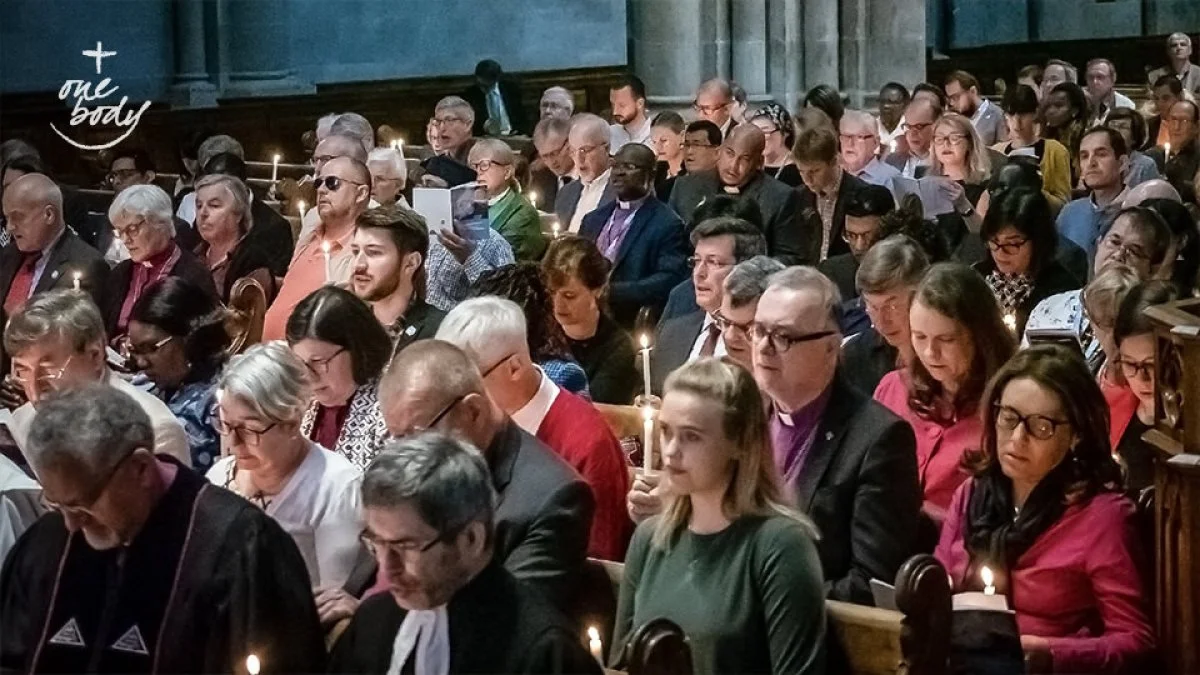
Just as individuals make use of passports or birth certificates to say who they are, creeds or confessions of faith are used to establish Christian identity. Where the earliest Christians were interested in identifying themselves as distinct from the followers of other religions, later controversies led to the development of creeds, confessions or conciliar texts in which one church defines its specific teaching in relation to that of another. When differences are seen as serious enough to affect the Gospel, churches may seek clarity by condemning the teachings of the other.
In the 16th century, Lutherans and Roman Catholics were involved in a dispute about certain aspects of the New Testament teaching on justification, how Christ’s saving action is received by those who are saved. They issued mutual condemnations which have continued to influence how each church sees the other. Edmund Schlink, a Lutheran observer at the Second Vatican Council, published his analysis of the Decree on Ecumenism in 1965. In it, he maintains that the statements of faith formulated in the 16th century, and their corresponding anathemas, are “the greatest stumbling block against reunion.” He notes as well that the Council Fathers had expressly reiterated their acceptance of Trent’s dogmatic decisions and did not intend to address those issues at that time. But, within the context of the Council, at a transition point between old and new attitudes, he identifies the present task of Protestant and Catholic theology as that of reinterpreting these old dogmatic statements and “explaining them in their historical setting” (J. A. Radano, Lutheran & Catholic Reconciliation on Justification Grand Rapids, MI, Eerdmans, 2009, p. 190).
… Read more » … lire la suite »
Posted: July 10, 2024 • Permanent link: ecumenism.net/?p=14434
Categories: One Body, Opinion • In this article: Catholic, JDDJ, Lutheran World Federation
Transmis : 10 juil. 2024 • Lien permanente : ecumenism.net/?p=14434
Catégorie : One Body, Opinion • Dans cet article : Catholic, JDDJ, Lutheran World Federation

A few weeks ago, I attended the Synod Convention of the ELCIC Saskatchewan Synod. The ELCIC is the Evangelical Lutheran Church in Canada, one of the more ecumenically engaged churches in Canada. I have known the ELCIC in Saskatchewan for many years. In fact, when I was the executive director of the Prairie Centre for Ecumenism in the 1990s, the ELCIC was one of our seven sponsoring churches and I worked very closely with the Saskatchewan bishop, clergy, and many lay people.
In some ways, attending the Synod Convention was a homecoming. There were many people there that I have known for 20 or 30 years. Although the Synod Convention is a governing council of the ELCIC with a long business agenda, the convention is also a time of gathering for this church spread across Saskatchewan. People come to see friends and remember past ministries. There were many prayer and social times to build up the community. As an invited observer from the Catholic Church, I was welcomed with hugs and I shared numerous conversations over the weekend about ministry together, past and present.
In this post, I want to introduce you to the ELCIC to help you see why this small church is of great importance to our ecumenical relations in Canada.
… Read more » … lire la suite »
Posted: June 22, 2024 • Permanent link: ecumenism.net/?p=14330
Categories: One Body, Opinion • In this article: Evangelical Lutheran Church in Canada
Transmis : 22 juin 2024 • Lien permanente : ecumenism.net/?p=14330
Catégorie : One Body, Opinion • Dans cet article : Evangelical Lutheran Church in Canada

After decades of ecumenical celebrations (since 1989) of the annual “Feast of Creation” of September 1, also known as “Creation Day” or “World Day of Prayer for Creation,” a historic gathering took place in Assisi, Italy bringing together church leaders and theological and liturgical scholars from various denominations. Its purpose? To explore a proposal to elevate such an observance to the status of liturgical feast in the calendar of Western Churches, as a way of marking the Nicaea centenary (2025).
… Read more » … lire la suite »
Posted: May 27, 2024 • Permanent link: ecumenism.net/?p=14627
Categories: Opinion • In this article: environment, lectionary, liturgy
Transmis : 27 mai 2024 • Lien permanente : ecumenism.net/?p=14627
Catégorie : Opinion • Dans cet article : environment, lectionary, liturgy

A few weeks ago, I attended the “Grand Opening” event of a new Buddhist Temple recently constructed in my north Edmonton neighbourhood. It was a beautiful event, marked by ritual and ceremony, hospitality and fellowship. It also involved a fair bit of informal interfaith dialogue with the monks of the temple and between fellow visitors of various traditions, who, like me, appreciated the opportunity to see inside the temple and to learn what this new community was all about.
This is now the third new non-Christian prayer space and second Buddhist temple to open in my neighbourhood in recent years, the other being a new mosque, adding to the array of Christian churches and other prayer spaces already present there. It also reflects the diversity of the population that now lives in “our part” of the city: a population that values spiritual realities and draws life from religious traditions “ever ancient, ever new,” to steal St. Augustine’s formulation.
… Read more » … lire la suite »
Posted: May 16, 2024 • Permanent link: ecumenism.net/?p=14312
Categories: One Body, Opinion • In this article: evangelism/evangelization, interfaith, multifaith, pluralism, proselytism, witness
Transmis : 16 mai 2024 • Lien permanente : ecumenism.net/?p=14312
Catégorie : One Body, Opinion • Dans cet article : evangelism/evangelization, interfaith, multifaith, pluralism, proselytism, witness
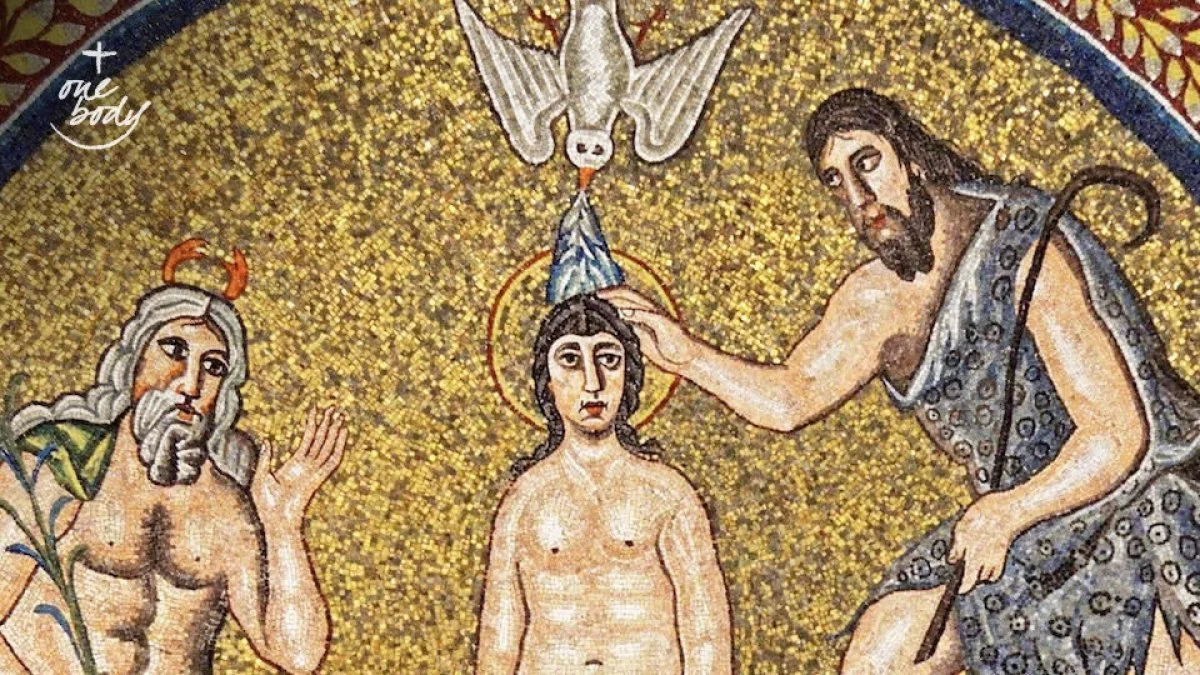
With our recent celebration of the Easter Vigil in mind, it’s a good time to reflect on the ecumenical significance of baptism and offer a brief review of some of the dialogues that have taken place on this topic. From a Catholic perspective, the ecumenical significance of baptism is clearly affirmed in Vatican II’s Decree on Ecumenism, which states that: “all who have been justified by faith in baptism are incorporated into Christ; they therefore have a right to be called Christians, and with good reason are accepted as brothers [and sisters] by the children of the Catholic Church” (#3).
… Read more » … lire la suite »
Posted: Apr. 12, 2024 • Permanent link: ecumenism.net/?p=14282
Categories: One Body, Opinion • In this article: baptism, Canadian Council of Churches, dialogue, Trinity, United Church of Canada, WCC Commission on Faith and Order
Transmis : 12 avril 2024 • Lien permanente : ecumenism.net/?p=14282
Catégorie : One Body, Opinion • Dans cet article : baptism, Canadian Council of Churches, dialogue, Trinity, United Church of Canada, WCC Commission on Faith and Order
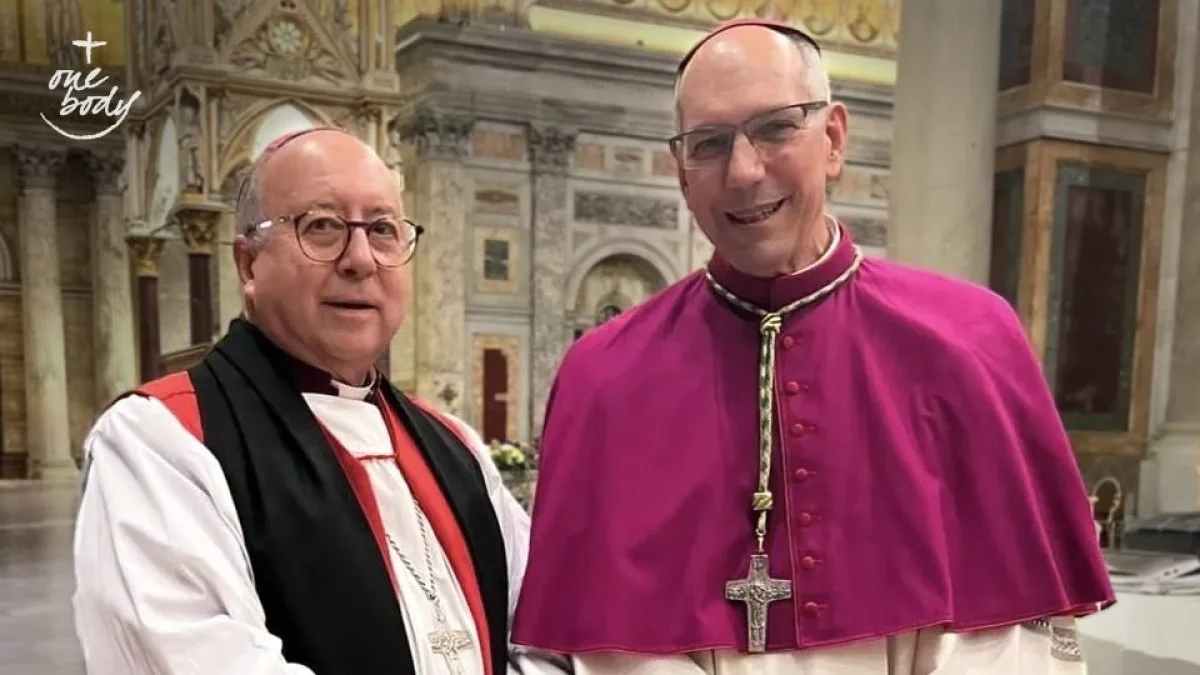
On January 25, at the annual ecumenical service in Rome that marks the end of the Week of Prayer for Christian Unity, Pope Francis spontaneously invited Archbishop of Canterbury Justin Welby to offer remarks after Francis’ own homily. Archbishop Justin’s reflection constituted a second homily, though it was called a “discourse” in the Vatican media. Such an invitation had only been offered to Orthodox bishops in the past, so this marked a significant sign of welcome between two leaders who have become close collaborators in a number of projects. On previous occasions, Archbishop Justin and his predecessors had been invited to offer remarks at a later portion of the liturgy, but never immediately after the homily.
… Read more » … lire la suite »
Posted: Mar. 14, 2024 • Permanent link: ecumenism.net/?p=14086
Categories: One Body, Opinion • In this article: ARCIC, dialogue, IARCCUM, ministry, ordination, women
Transmis : 14 mars 2024 • Lien permanente : ecumenism.net/?p=14086
Catégorie : One Body, Opinion • Dans cet article : ARCIC, dialogue, IARCCUM, ministry, ordination, women

Some friends of mine recently undertook a little renovation project in their home: nothing major – just a couple of bathrooms, a laundry room and a fresh coat of paint on some walls.
The plan looked simple enough on paper, but the reality of the renos soon became a bit more complicated – and costly – than initially anticipated. Removing old walls disclosed some surprises, newer building codes required adjustments to plumbing and electrical works, old appliances didn’t quite fit into new spaces, and a few unforeseen wall repairs were needed before the simple step of applying new paint.
I think about this in the context of the upcoming Lenten season, and the renovation project that Lent invites into all of our lives: individually and communally, and particularly as churches journeying together on the path of Christian unity.
… Read more » … lire la suite »
Posted: Feb. 2, 2024 • Permanent link: ecumenism.net/?p=14043
Categories: One Body, Opinion • In this article: ecumenism, Lent, spiritual ecumenism
Transmis : 2 févr. 2024 • Lien permanente : ecumenism.net/?p=14043
Catégorie : One Body, Opinion • Dans cet article : ecumenism, Lent, spiritual ecumenism

Praying together with other Christians and even with members of other faiths has become so common over the past half century, it’s easy to forget earlier practice.
Archbishop Gilles Ouellet, a former chair of the CCCB’s Ecumenism Commission, talked about his experience in the Eastern Townships of Quebec. His father was a town councillor, and in this capacity took the young Gilles with him to attend the funeral of a prominent Protestant citizen. As they were entering the church, he recalled his father saying that they were attending the funeral “because it’s the right thing to do.” However, Archbishop Gilles was to remember that he was not to pray in that church.
… Read more » … lire la suite »
Posted: Jan. 4, 2024 • Permanent link: ecumenism.net/?p=14040
Categories: One Body, Opinion • In this article: WPCU
Transmis : 4 janv. 2024 • Lien permanente : ecumenism.net/?p=14040
Catégorie : One Body, Opinion • Dans cet article : WPCU
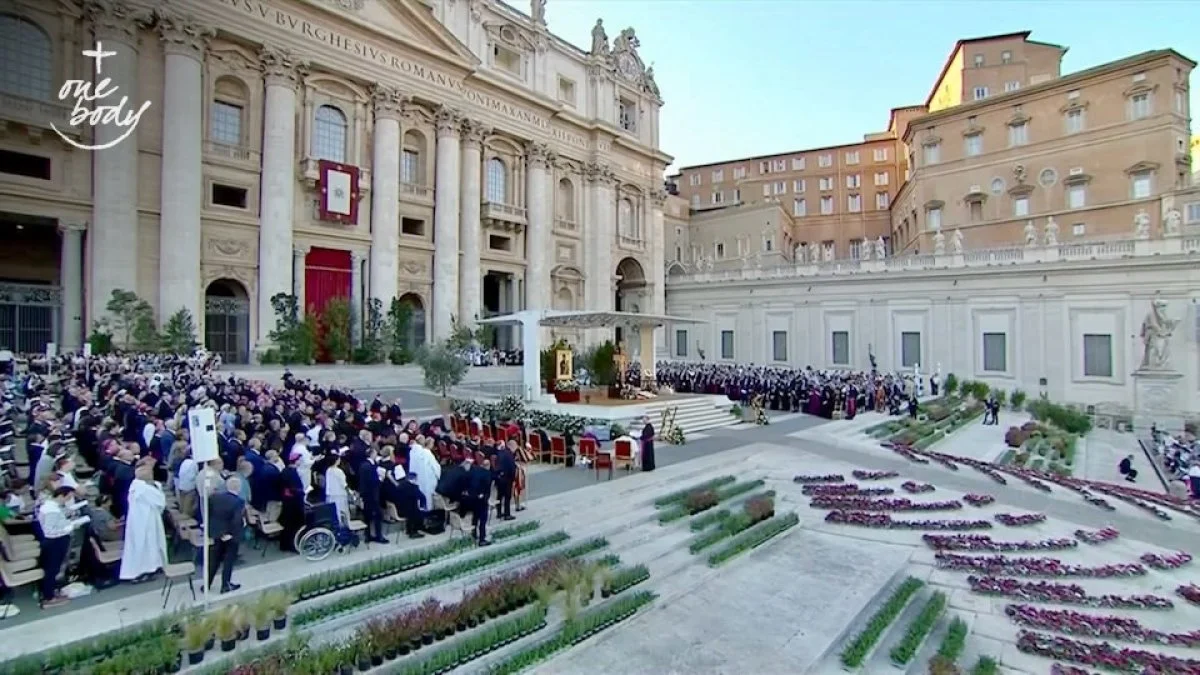
Synods are ecclesial gatherings, intense moments of reflection on the Word of God symbolized by the presence of the Book of the Gospels enthroned in the midst of the assembly. The month-long General Assembly of the 16th Synod, which met in Rome from October 4 to 29, was an experience of prayerful listening. It began with an Ecumenical Prayer Vigil organized by the Taizé community on September 30, where young people from many countries led a series of meditations and intercessions for the world. Their words and gestures recalled the purpose of the synodal process: to help us become a church more responsive to the call to mission and service of the poor and those who suffer.
… Read more » … lire la suite »
Posted: Dec. 7, 2023 • Permanent link: ecumenism.net/?p=14003
Categories: One Body, Opinion • In this article: Catholic, synodality
Transmis : 7 déc. 2023 • Lien permanente : ecumenism.net/?p=14003
Catégorie : One Body, Opinion • Dans cet article : Catholic, synodality
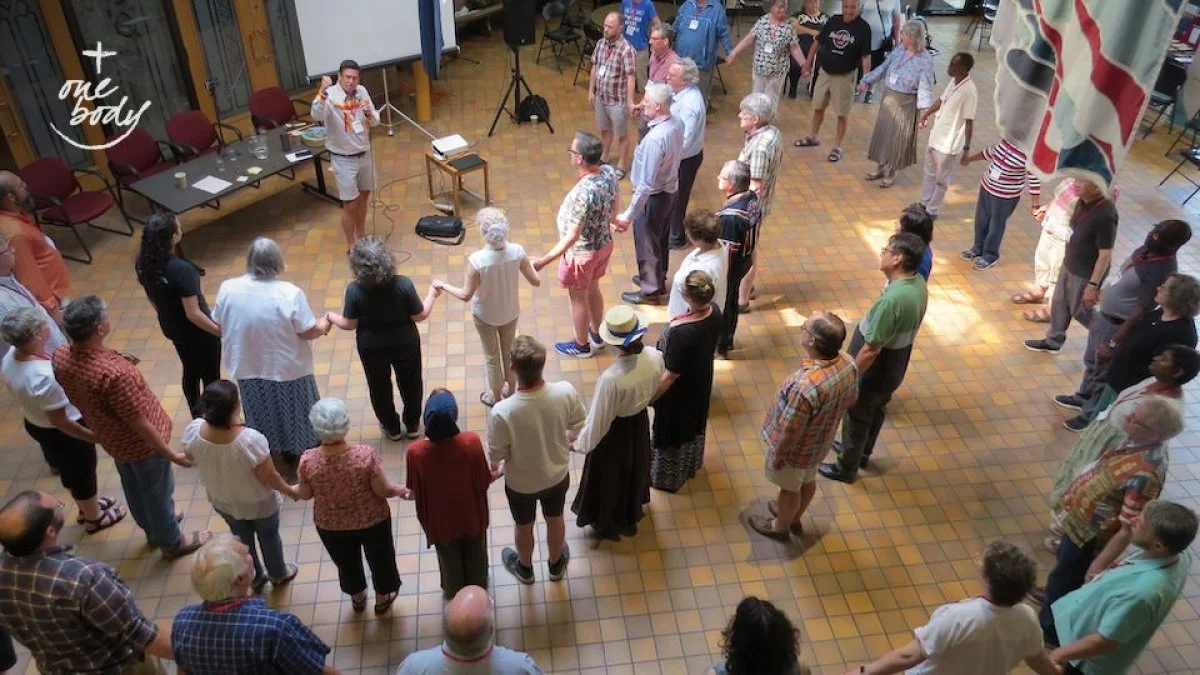
The great damage inflicted among Indigenous Peoples by the colonizing projects in North America/Turtle Island, including the far too frequent complicity of the churches with them, is something that can hardly be overstated. Most Canadian Christians are, I hope, relatively aware of the large-scale physical, cultural, and spiritual harms that were perpetrated by things like the reserve system, residential schools, and bans on traditional ceremonies and rites. Less widely considered, however, are the impacts that also came from the importing of inter-Christian hostilities from Europe to the Peoples of this land. Although less urgent than the direct and tangible abuses, here too there are harmful marks that must be reckoned with.
… Read more » … lire la suite »
Posted: Nov. 2, 2023 • Permanent link: ecumenism.net/?p=13996
Categories: One Body, Opinion • In this article: Canadian Council of Churches, CCC Commission on Faith and Witness, ecumenism, Indigenous church
Transmis : 2 nov. 2023 • Lien permanente : ecumenism.net/?p=13996
Catégorie : One Body, Opinion • Dans cet article : Canadian Council of Churches, CCC Commission on Faith and Witness, ecumenism, Indigenous church

“There is no synodality without ecumenism and no ecumenism without synodality.” These words were spoken at the “Together: Gathering of the People of God” ecumenical service on Saturday, September 30, in St. Peter’s Square in Rome. When I heard these words from the podium, I took notice. Ecumenism and synodality are both reform movements in the church. The integral connection between the two seemed self-evident to me, but it’s a good reminder.
… Read more » … lire la suite »
Posted: Oct. 5, 2023 • Permanent link: ecumenism.net/?p=13930
Categories: One Body, Opinion • In this article: synodality
Transmis : 5 oct. 2023 • Lien permanente : ecumenism.net/?p=13930
Catégorie : One Body, Opinion • Dans cet article : synodality

The recently concluded World Youth Day in Portugal (August 1-6, 2023) included a number of ecumenical and interreligious experiences, opportunities, and lessons that garnered praise and criticism in Catholic and non-Catholic circles alike.
- In addition to visiting and participating in events held within Catholic venues, WYD pilgrims were invited to visit significant Protestant and Orthodox churches and other houses of worship (synagogues, mosques, temples) in Lisbon and throughout the country, to “observe” how each religious denomination has its own history, content, ritual, and societal outreach.
- With fellow Christians, WYD pilgrims were invited also to participate in prayers, lectures, and bible studies offered by Anglican, Protestant, Orthodox Church leaders, and ecumenical communities (such as Taizé and Chemin Neuf), and to “look for signs of unity” (of faith, sacrament, and mission) between these Christian communities.
- On the interfaith side, organizers highlighted that “leaders of other faiths will be present at various events of the WYD Lisbon 2023 presided over by the Pope,” and indeed Pope Francis met with a number of ecumenical and interreligious leaders at significant events held throughout the week.
- Groups from various religious backgrounds participated in a Youth Festival program that featured “music and singing as a universal language that facilitates encounters between religions, cultures and peoples.”
Posted: Sept. 14, 2023 • Permanent link: ecumenism.net/?p=13970
Categories: One Body, Opinion • In this article: ecumenism, next gen, youth
Transmis : 14 sept. 2023 • Lien permanente : ecumenism.net/?p=13970
Catégorie : One Body, Opinion • Dans cet article : ecumenism, next gen, youth

In 2024, The Canadian Council of Churches (CCC) celebrates the 80th anniversary of its founding. Anniversaries are an opportunity to review the past and look to the future, to celebrate what has been accomplished and to learn from past experience, with a view to developing a clearer self-understanding in the present and identifying a vision for the future.
… Read more » … lire la suite »
Posted: Aug. 24, 2023 • Permanent link: ecumenism.net/?p=13974
Categories: One Body, Opinion • In this article: Canadian Council of Churches
Transmis : 24 aoüt 2023 • Lien permanente : ecumenism.net/?p=13974
Catégorie : One Body, Opinion • Dans cet article : Canadian Council of Churches